
LEO XIV
สมเด็จพระสันตะปาปาเลโอที่สิบสี่
GENERAL AUDIENCE/การเข้าเฝ้าแบบทั่วไป
Saint Peter’s Square, Wednesday, 24 June 2026
ณ ลานหน้ามหาวิหารนักบุญเปโตร นครรัฐวาติกัน
เมื่อวันพุธที่ 24 มิถุนายน 2026
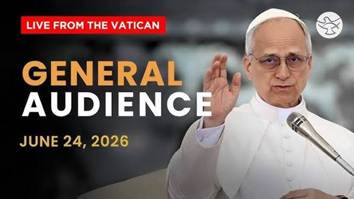
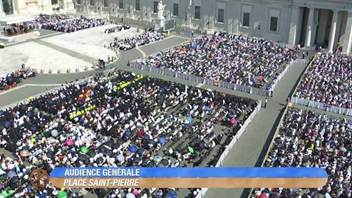
Catechesis. The Documents of the Second Vatican Council. III. Constitution Sacrosanctum Concilium. 4. The Mystery of the Eucharist
การเรียนคำสอนต่อเนื่อง : มองสภาสังคายนาวาติกันที่สองผ่านเอกสารของสภาสังคายนา III. สังฆธรรมนูญ Sacrosanctum Concilium ว่าด้วยพิธีกรรมศักดิ์สิทธิ์ (4) ธรรมล้ำลึกแห่งศีลมหาสนิท
Dear brothers and sisters, good morning and welcome!
เจริญพรมายังพี่น้องชายหญิงที่รัก อรุณสวัสดิ์และยินดีต้อนรับ
We will continue our catechesis on the documents of the Second Vatican Council, particularly the Constitution Sacrosanctum Concilium (SC) on the Liturgy.
พวกเรายังคงเรียนคำสอนต่อเรื่องเกี่ยวกับเอกสารของสภาสังคายนาวาติกันที่สอง โดยเฉพาะอย่างยิ่ง สังฆธรรมนูญ Sacrosanctum Concilium ของสภาสังคายนาวาติกันที่สอง [ว่าด้วยพิธีกรรมศักดิ์สิทธิ์]
When Saint Augustine wanted to explain the mystery of the Body of Christ to those who were newly baptized, he took up the passage from Saint Paul that we have just heard: “Now you are Christ’s body, and individually parts of it.” (1 Cor 12:27). He adds: “It is your own mystery that you receive. To what you are, you respond: Amen, and your response is like your signature. You are told, ‘The Body of Christ,’ and you reply, ‘Amen.’ Be therefore members of the Body of Christ, so that your Amen may be true. […] Be what you see, and receive what you are” (Sermon 272: PL 38, 1247).
เมื่อนักบุญเอากุสตินพยายามอธิบายธรรมล้ำลึกเรื่องพระกายพระคริสตเจ้าให้แก่[คริสตชนใหม่ที่]เพิ่งได้รับศีลล้างบาป ท่านได้ยกข้อความของนักบุญเปาโลที่พวกเราเพิ่งจะได้ฟังไปดังนี้ว่า “ท่านทั้งหลายเป็นพระกายของพระคริสตเจ้า แต่ละคนต่างก็เป็นอวัยวะของพระกายนั้น” (1คร 12:27) ก่อนจะท่านเองกล่าวเสริมว่า “สิ่งที่ท่านได้รับคือธรรมล้ำลึกของตัวท่านเอง ท่านได้ตอบว่า ‘อาเมน’ ต่อสิ่งที่ท่านเป็นอยู่ และคำตอบนี้ของท่านก็เป็นเหมือนการลงชื่อของท่านเอง เมื่อเขาบอกท่านว่า ‘พระกายพระคริสตเจ้า’ ท่านก็ตอบว่า ‘อาเมน’ ดังนั้น จงกระทำตนเป็นส่วนหนึ่งของพระกายพระคริสตเจ้า เพื่อที่คำว่าอาเมนของท่านจะได้เป็นวาจาอันสัตย์จริง […] จงเป็นสิ่งที่ท่านเห็น และจงรับเอาสิ่งที่ท่านเป็น” (บทเทศน์ที่ 272: PL 38, 1247)
Immediately after recalling Jesus’ Last Supper, the Constitution on the Liturgy speaks of the Eucharist in these Augustinian terms. For Christians, taking part at the Lord’s table means being “instructed by God’s word and … nourished … [giving] thanks to God” (cf. SC, 48). It is by receiving Him in His Word and in the Eucharist that we become what we receive. We become the Body whose Head is the risen Christ, seated at the right hand of the Father (cf. Col 1:18), who prepares a place for us in heaven (cf. Jn 14:3). Thus, the Eucharist is the sacrament of the Kingdom that is to come. It is the Bread for the journey that leads us to our heavenly homeland, until that blessed day when “God will be all in all” (1 Cor 15:28).
หลังจากที่ได้กล่าวย้อนถึงอาหารค่ำมื้อสุดท้ายของพระเยซูเจ้า สังฆธรรมนูญ [Sacrosanctum Concilium] ว่าด้วยพิธีกรรมศักดิ์สิทธิ์ก็ได้กล่าวต่อทันทีโดยใช้ภาษาแบบนักบุญเอากุสติน[ว่า] สำหรับคริสตชน การเข้าส่วนในโต๊ะอาหารขององค์พระผู้เป็นเจ้า ย่อมเป็นการ “ได้รับการสอนจากพระวาจาของพระเจ้า และ […] ได้รับการเลี้ยงดู […] และขอบพระคุณพระเจ้า” (เทียบ สังฆธรรมนูญ Sacrosanctum Concilium, ข้อ 48) พวกเราย่อมกลายเป็นสิ่งที่พวกเราได้รับ ก็ด้วยการที่เราต้อนรับพระองค์ภายในพระวาจาและในศีลมหาสนิท พวกเราย่อมกลายเป็นร่างกายที่มีศีรษะคือองค์พระคริสตเจ้าผู้ทรงกลับคืนพระชนม์แล้ว ประทับอยู่เบื้องขวาพระเจ้าพระบิดา (เทียบ คส 1:18) และทรงตระเตรียมพื้นที่สำหรับพวกเราอยู่ในสวรรค์ (เทียบ ยน 14:3) เช่นนี้เอง ศีลมหาสนิทจึงเป็นศีลศักดิ์สิทธิ์แห่งพระอาณาจักรที่จะมาถึง เป็นปังแห่งการจาริกที่นำเรากลับไปยังบ้านแท้ในสวรรค์ จนกว่าจะถึงวันแห่งพระพร ที่ซึ่ง “พระเจ้าจะได้ทรงเป็นทุกสิ่งในทุกคน” (1คร 15:28)
The liturgical assembly offers the Sacrifice “not only through the hands of the priest, but also with him” (SC, 48). From this perspective, the Eucharist is the form of the spiritual sacrifice of Christians (cf. Heb 13:16; Rom 12:1), as the path to union with God and with one another. By participating in it, they learn “to offer themselves; through Christ the Mediator, they should be drawn day by day into ever more perfect union with God and with each other” (ibid.). Thus, by incorporating us into Christ, the Eucharist teaches us to adopt the very style of life of the Lord Jesus, which was marked by the free gift of Himself. This gift draws us into the dynamic of unity, offering a powerful antidote to the forces of division that undermine our world, our communities, our families, and our hearts (cf. SC, 47).
ผู้คนที่มารวมตัวกันในพิธีกรรม ย่อมถวายเครื่องบูชา “มิใช่โดยผ่านทางมือของบาทหลวงอย่างเดียวเท่านั้น แต่ยัง[ถวายเครื่องบูชา]ร่วมกับ[บาทหลวง]ด้วย” (สังฆธรรมนูญ Sacrosanctum Concilium, ข้อ 48) จากมุมมองนี้ ย่อมเห็นได้ว่าศีลมหาสนิทเป็นรูปแบบแห่งการถวายเครื่องบูชาฝ่ายจิตของคริสตชน (เทียบ ฮบ 13:16; รม 12:1) ที่เป็นหนทางสู่ความเป็นหนึ่งเดียวกันกับพระเจ้าและกับกันและกัน การร่วมในพิธีกรรมย่อมทำให้ผู้คนเรียนรู้ที่จะ “มอบถวายตนเองผ่านทางพระคริสตเจ้าผู้เป็นสื่อกลาง ทำให้พวกเขาย่อมจะได้รับการดึงดูดในทุก ๆ วัน สู่ความเป็นเอกภาพที่สมบูรณ์แบบยิ่งขึ้นกับพระเจ้าและกับกันและกัน” (ที่เดียวกัน) เช่นนี้เอง ศีลมหาสนิทจึงนำเราเข้าเป็นส่วนหนึ่งในพระกายพระคริสตเจ้า เพื่อสอนให้พวกเรารับเอาวิถีชีวิตแบบพระเยซูเจ้า ซึ่งมีลักษณะเด่นคือการอุทิศตนเป็นของขวัญโดยไม่หวังอะไรตอบแทน ของขวัญนี้[คือศีลมหาสนิท]ย่อมดึงดูดพวกเราเข้าไปสู่พลวัตแห่งเอกภาพ เป็นการมอบเสนอยาถอนพิษอันทรงพลังที่ต่อต้านพลังมากมายที่นำมาซึ่งความแตกแยกและบั่นทอนโลกของเรา ประชาคมของเรา ครอบครัวของเรา และจิตใจของพวกเราอยู่
Dear brothers and sisters, when we participate in the Eucharist, we are invited to listen to the Word of God and to be nourished at the Lord’s table, where He offers Himself to the Father. These two parts of the Mass, the Liturgy of the Word and the Liturgy of the Eucharist, “are so closely connected with each other that they form but one single act of worship” (SC, 56).
พี่น้องชายหญิงที่รัก เมื่อพวกเราร่วมในพิธีบูชาขอบพระคุณ พวกเราย่อมได้รับการเชื้อเชิญให้รับฟังพระวาจาของพระเจ้า และรับการเลี้ยงดูจากโต๊ะอาหารขององค์พระผู้เป็นเจ้า ที่ซึ่งพระองค์มอบเสนอพระองค์เองให้แก่พระเจ้าพระบิดา ทั้งสองส่วนในพิธีบูชาขอบพระคุณ ได้แก่ ภาควจนพิธีกรรม และภาคพิธีขอบพระคุณ “มีความสัมพันธ์กันอย่างแน่นแฟ้น จนทำให้ทั้งสองภาครวมเป็นคารวกิจเดียวกัน” (สังฆธรรมนูญ Sacrosanctum Concilium, ข้อ 56)
With regard to the Word of God, it is important to remember that it is not merely a matter of acquiring intellectual knowledge of the Scriptures, but of receiving the Word that is “living and effective” (Heb 4:12), spoken by God to everyone and at the same time to each individual. This Word nourishes and sustains us together with the Eucharistic Bread and leads us from the decay of sin to new life in Christ. “The Eucharist opens us to an understanding of Scripture, just as Scripture for its part illumines and explains the mystery of the Eucharist.” (Benedict XVI, Verbum Domini, 55).
เกี่ยวกับพระวาจาของพระเจ้า สิ่งสำคัญคือการระลึกเสมอว่า [การรับฟังพระวาจา]ไม่ได้เป็นเพียงการได้ความรู้เพิ่มขึ้นเกี่ยวกับพระคัมภีร์ หากแต่เป็นการน้อมรับพระวาจาที่ “มีชีวิตและบันดาลผล” (ฮบ 4:12) ซึ่งพระเจ้าได้ตรัสกับทุกคน และตรัสกับแต่ละคนด้วยในขณะเดียวกัน ทั้งพระวาจาและปังแห่งศีลมหาสนิทย่อมร่วมกันเลี้ยงดูและหนุนกำลังให้แก่พวกเรา และนำเราให้พ้นจากความเสื่อมโทรมของบาป สู่ชีวิตใหม่ในพระคริสตเจ้า “ศีลมหาสนิทย่อมเปิดใจให้เราเข้าใจพระคัมภีร์ เช่นเดียวกับที่พระคัมภีร์ย่อมบันดาลความสว่างและอธิบายธรรมล้ำลึกแห่งศีลมหาสนิท” (สมเด็จพระสันตะปาปาเบเนดิกต์ที่สิบหก, สมณสาส์นเตือนใจหลังซีนอด Verbum Domini, ข้อ 55)
The Second Vatican Council called for the treasures of the Bible to be opened more abundantly, so that a richer fare from the table of God’s Word might be provided for the faithful (cf. SC, 51). The liturgical reform translated this request into the treasure that is the Lectionary, the book that gathers all the biblical readings for liturgical celebrations. This richness has been drawn from the purest source of the living Tradition, which combines fidelity with tradition; with openness to legitimate progress (cf. SC, 23).
สภาสังคายนาวาติกันที่สองเรียกร้องให้มีการเปิดคลังขุมทรัพย์แห่งพระคัมภีร์อย่างอุดมยิ่งกว่าเดิม เพื่อที่บรรดาผู้เชื่อจะมีโอกาสได้รับโภชนาหารอันบริบูรณ์ยิ่งขึ้นจากโต๊ะอาหารแห่งพระวาจาของพระเจ้า (เทียบ สังฆธรรมนูญ Sacrosanctum Concilium, ข้อ 51) การปฏิรูปพิธีกรรมได้แปลงข้อเรียกร้องนี้ให้กลายเป็นขุมทรัพย์ล้ำค่า คือ หนังสือบทอ่านพระคัมภีร์ ซึ่งรวบรวมบทอ่านพระคัมภีร์สำหรับพิธีกรรมทั้งหลายไว้ในที่เดียวกัน ความร่ำรวยนี้เป็นสิ่งที่ได้จากบ่อเกิดอันบริสุทธิ์อย่างยิ่ง คือ ธรรมประเพณีที่มีชีวิต ซึ่งรวมเอาทั้งความซื่อสัตย์ต่อธรรมประเพณีและความเปิดกว้างต่อพัฒนาการที่ชอบธรรมไว้ด้วยกัน (เทียบ สังฆธรรมนูญ Sacrosanctum Concilium, ข้อ 23)
The beginning of Chapter II of the Constitution on the Liturgy is woven with references to the great river of Tradition, that continues from the Fathers of the Church down to us. I will quote from it: “At the Last Supper, on the night when He was betrayed, our Saviour instituted the eucharistic sacrifice of His Body and Blood. He did this in order to perpetuate the sacrifice of the Cross throughout the centuries until He should come again, and so to entrust to His beloved spouse, the Church, a memorial of His death and resurrection: a sacrament of love, a sign of unity, a bond of charity, a paschal banquet in which Christ is eaten, the mind is filled with grace, and a pledge of future glory is given to us.” (SC, 47).
ข้อความส่วนแรกในบทที่ 2 ของสังฆธรรมนูญ Sacrosanctum Concilium ว่าด้วยพิธีกรรมศักดิ์สิทธิ์ ถูกร้อยเรียงเข้ากับการกล่าวถึงแม่น้ำสายใหญ่แห่งธรรมประเพณี ซึ่งสืบเนื่องจากยุคสมัยของปิตาจารย์เรื่อยมาจนถึงยุคสมัยของพวกเรา พ่ออยากนำข้อความท่อนหนึ่งมาแบ่งปันดังนี้ “ในการเลี้ยงอาหารค่ำม้ือสุดท้าย ในคืนที่ทรงถูกทรยศ พระผู้ไถ่ของเราทรงตั้งศีลมหาสนิทไว้ให้เป็นการบูชาถวายพระกายและพระโลหิตของพระองค์ ทรงทำเช่นนั้นเพื่อให้การถวายบูชาบนไม้กางเขนเป็นปัจจุบันอยู่เสมอทุกยุคทุกสมัยจนกว่าจะเสด็จกลับมา และเพื่อมอบอนุสรณ์การสิ้นพระชนม์และการกลับคืนพระชนม์ชีพไว้แก่พระศาสนจักร ผู้เป็นเจ้าสาวที่รักยิ่งของพระองค์ เป็นศีลศักดิ์สิทธิ์แสดงความรัก เป็นเครื่องหมายแห่งเอกภาพ เป็นสายสัมพันธ์แห่งความรักเมตตา เป็นงานเลี้ยงปัสกา ซึ่งคริสตชนรับพระคริสตเจ้าเป็นอาหาร ทำให้จิตใจเปี่ยมด้วยพระหรรษทาน และเป็นหลักประกันว่าเราจะได้รับสิริรุ่งโรจน์ในอนาคต” (สังฆธรรมนูญ Sacrosanctum Concilium, ข้อ 47)
Dear brothers and sisters, let us draw with faith from this source of divine life and allow ourselves to be transformed by the mystery we celebrate.
พี่น้องชายหญิงที่รัก ขอให้พวกเราจงรับเอาชีวิตของพระเจ้าจากบ่อเกิดนี้ด้วยความเชื่อ และให้เราเปิดใจ เพื่อที่ธรรมล้ำลึกที่พวกเราเฉลิมฉลองนี้จะได้เปลี่ยนแปลงตัวเรา
พระดำรัสของสมเด็จพระสันตะปาปาหลังการสอนคำสอน
I greet this morning all the English-speaking pilgrims and visitors taking part in today’s Audience, particularly groups from England, Sweden, Malawi, Tanzania, Indonesia, Singapore, South Korea, Canada and the United States of America. Upon all of you and your families, I invoke the peace and joy of our Lord Jesus Christ. God bless you!
พ่อขอส่งคำทักทายแก่ผู้แสวงบุญและผู้มาเยือนที่พูดภาษาอังกฤษที่ได้มาหาพ่อในวันนี้ โดยเฉพาะอย่างยิ่ง กลุ่มที่มาจากอังกฤษ สวีเดน มาลาวี แทนซาเนีย อินโดนีเซีย สิงคโปร์ เกาหลีใต้ แคนาดา และสหรัฐอเมริกา ขอให้ลูกทุกคนและครอบครัวของลูกจงได้รับสันติสุขและความปีติยินดีของพระเยซูคริสตเจ้า องค์พระผู้เป็นเจ้าของพวกเราทั้งหลาย ขอให้พระเจ้าโปรดประทานพระพรแก่ลูกทุกคน
Il mio pensiero va, infine, ai giovani, ai malati e agli sposi novelli; oggi celebriamo la Solennità della natività di San Giovanni Battista, che ha preparato la via a Cristo: egli vi aiuti a riscoprire la vocazione battesimale per essere ovunque annunciatori lieti del Regno di Dio. A tutti la mia benedizione!
ท้ายสุด พ่อมีความระลึกถึงบรรดาเยาวชน บรรดาคนป่วย และบรรดาคนที่เพิ่งแต่งงาน วันนี้เป็นวันที่พวกเราสมโภชการบังเกิดของนักบุญยอห์นผู้ทำพิธีล้าง ซึ่งเป็นผู้ที่ได้ตระเตรียมหนทางถวายพระคริสตเจ้า ขอให้ท่านนักบุญโปรดช่วยให้ลูกทุกคนกลับมาค้นพบกระแสเรียกแห่งศีลล้างบาป เพื่อที่ลูกทั้งหลายจะได้เป็นผู้ประกาศพระอาณาจักรของพระเจ้าในทุกหนแห่งด้วยความปีติยินดี พ่อขออวยพรลูกทุกคน
ใจความสรุปการสอนคำสอนของสมเด็จพระสันตะปาปา
Dear brothers and sisters, as we continue our series of catecheses on the Second Vatican Council, today we consider the celebration of the Eucharist as presented by the Constitution on the Liturgy, Sacrosanctum Concilium This sacred mystery is described in the second chapter of the document as “a sacrament of love, a sign of unity, a bond of charity, ‘a paschal banquet in which Christ is received, the mind is filled with grace, and a pledge of future glory is given to us’” (n. 47). The Constitution also emphasises that at Mass, the faithful are not passive spectators. Rather, all are encouraged to offer themselves in union with Jesus Christ, the spotless victim, to the Father, through the hands of the priest and together with him. Participation in the Eucharistic sacrifice also means being formed by God’s word and nourished at the table of the Lord’s body. Indeed, these two parts of the Mass, the Liturgy of the Word and the Eucharistic Liturgy, “are so closely connected with each other that they form but one single act of worship” (n. 56). Brothers and sisters, as we seek our nourishment from this abundant source of divine life, let us allow ourselves to be transformed by the mystery we celebrate.
พี่น้องชายหญิงที่รัก ในการเรียนคำสอนต่อเนื่องเกี่ยวกับเอกสารของสภาสังคายนาวาติกันที่สอง วันนี้พวกเราจะพิจารณาเกี่ยวกับสังฆธรรมนูญ Sacrosanctum Concilium ว่าด้วยพิธีกรรมศักดิ์สิทธิ์ ในส่วนที่พูดถึงศีลมหาสนิท บทที่สองของสังฆธรรมนูญได้บรรยายถึงธรรมล้ำลึกอันศักดิ์สิทธิ์นี้ว่าเป็น “ศีลศักดิ์สิทธิ์แสดงความรัก เป็นเครื่องหมายแห่งเอกภาพ เป็นสายสัมพันธ์แห่งความรักเมตตา เป็นงานเลี้ยงปัสกา ซึ่งคริสตชนรับพระคริสตเจ้าเป็นอาหาร ทำให้จิตใจเปี่ยมด้วยพระหรรษทาน และได้รับประกันว่าเราจะได้รับสิริรุ่งโรจน์ในอนาคต” (ข้อ 47) นอกจากนี้ สังฆธรรมนูญยังเน้นด้วยว่า ในพิธีมิสซา สัตบุรุษไม่ได้เป็นเพียงคนที่นั่งดูเฉย ๆ หากแต่ทุกคนได้รับเรียกให้มอบตนเองเป็นเครื่องบูชาร่วมเป็นหนึ่งเดียวกับพระเยซูคริสตเจ้า ผู้ทรงเป็นเครื่องบูชาไร้มลทิน ถวายแด่พระเจ้าพระบิดา ผ่านมือของบาทหลวง และร่วมกันกับบาทหลวงด้วย การร่วมในพิธีบูชาขอบพระคุณยังมีความหมายอีกอย่างหนึ่ง คือ การถูกก่อร่างด้วยพระวาจาของพระเจ้า และการได้รับการเลี้ยงดู ณ โต๊ะอาหารแห่งพระกายพระคริสตเจ้า จริงทีเดียวว่า ทั้งสองส่วนของพิธีมิสซา อันได้แก่ภาควจนพิธีกรรมและภาคพิธีขอบพระคุณ “มีความสัมพันธ์กันอย่างแน่นแฟ้น จนทำให้ทั้งสองภาครวมเป็นคารวกิจเดียวกัน” (ข้อ 56) พี่น้องชายหญิงที่รัก เมื่อพวกเราแสวงหาการเลี้ยงดูจากแหล่งที่มาอันอุดมแห่งชีวิตของพระเจ้า ก็ขอให้พวกเราเปิดใจ เพื่อให้ธรรมล้ำลึกที่พวกเราเฉลิมฉลองได้เปลี่ยนแปลงตัวเราด้วย
(วิษณุ ธัญญอนันต์ และวรินทร เติมอริยบุตร แห่งจุฬาลงกรณ์มหาวิทยาลัย
เก็บการสอนคำสอน General Audience ของพระสันตะปาปาเลโอมาแบ่งปันและเพื่อการไตร่ตรอง)