
HOLY MASS, BLESSING AND IMPOSITION OF ASHES
พิธีบูชาขอบพระคุณ พิธีเสกและโปรยเถ้า
HOMILY OF POPE LEO XIV
บทเทศน์ของสมเด็จพระสันตะปาปาเลโอที่สิบสี่
Basilica of Santa Sabina on the Aventine Hill
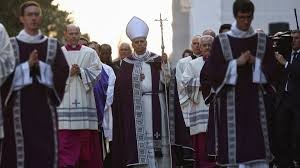
Ash Wednesday, 18 February 2026 ณ มหาวิหารนักบุญซาบีนา กรุงโรม ประเทศอิตาลี
เมื่อวันพุธที่ 18 กุมภาพันธ์ 2026 ตรงกับวันพุธรับเถ้า

Dear brothers and sisters,
เจริญพรมายังพี่น้องชายหญิงที่รัก
At the beginning of each liturgical season, we joyfully rediscover the grace of being Church, namely a community gathered to listen to the word of God. The voice of the Prophet Joel speaks to us, bringing each of us out of our isolation and showing us the urgent need for conversion, which is always both personal and public: “Gather the people. Sanctify the congregation; assemble the aged; gather the children, even infants at the breast” (2:16). He mentions the most fragile and least suited to large gatherings, those whose absence would be easy to justify. The prophet goes on to refer to husband and wife: he seems to call them from the privacy of their marital life, so that they will feel part of a larger community. Then he turns to priests, who already find themselves — almost by duty — “between the vestibule and the altar” (v. 17). They are invited to weep and to express these fitting words on behalf of all: “Spare your people, O Lord!” (ibid).
เมื่อเทศกาลต่าง ๆ ในปีพิธีกรรมได้เริ่มต้นขึ้น พวกเราย่อมได้มีโอกาสค้นพบอีกครั้งซึ่งพระหรรษทานของการได้เป็นพระศาสนจักร กล่าวคือ การเป็นประชาคมที่มารวมตัวกันเพื่อรับฟังพระวาจาของพระเจ้า คำกล่าวของประกาศกโยเอลได้พูดกับพวกเรา เพื่อนำเราออกจากการอยู่ลำพังคนเดียว และเพื่อแสดงให้เราได้เห็นความจำเป็นเร่งด่วนที่เราจะต้องกลับใจ ทั้งที่เป็นการกลับใจส่วนตัว และการกลับใจส่วนรวม [ท่านได้กล่าวว่า] “จงเรียกประชาชนให้มาพร้อมกัน จงทำให้คนที่มาประชุมกันศักดิ์สิทธิ์ จงเรียกบรรดาผู้อาวุโสมาชุมนุมกัน จงรวบรวมเด็ก ๆ แม้ทารกที่ยังกินนม” (เทียบ ยอล 2:16) ซึ่งเป็นการพูดถึงผู้คนที่เปราะบางและไม่น่าจะต้องให้มาร่วมในการชุมนุมขนาดใหญ่ ซึ่งหากว่าพวกเขาไม่มา ก็น่าจะมีเหตุผลอย่างเต็มที่ ประกาศกได้กล่าวต่อไปถึงชายหญิงที่[เพิ่งแต่งงาน] ดูเหมือนท่านจะเรียกให้พวกเขาออกมาจากชีวิตส่วนตัวในครอบครัว เพื่อที่พวกเขาจะได้รู้สึกเป็นส่วนหนึ่งของประชาคมที่กว้างใหญ่ยิ่งขึ้น หลังจากนั้นท่านก็ได้กล่าวถึงบรรดาสมณะที่อยู่ ณ “ระหว่างเฉลียงกับพระแท่นบูชา” (ยอล 2:17) ราวกับเป็นหน้าที่อยู่แล้ว บรรดาสมณะได้รับเรียกให้มาร่ำไห้และวิงวอนเพื่อทุกคนด้วยถ้อยคำที่เหมาะสมดังนี้ว่า “ข้าแต่องค์พระผู้เป็นเจ้า โปรดทรงเมตตาประชากรของพระองค์เถิด” (ยอล 2:17)
Even today, Lent remains a powerful time for community: “Gather the people. Sanctify the congregation” (Joel 2:16). We know that it has become increasingly difficult to gather people together and make them feel like a community — not in a nationalistic and aggressive way, but in a communion where each of us finds our place. Indeed, during Lent, a people is formed that recognizes its sins. These sins are evils that have not come from supposed enemies, but afflicts our hearts, and exist within us. We need to respond by courageously accepting responsibility for them. Moreover, we must accept that while this attitude is countercultural, it constitutes an authentic, honest and attractive option, especially in our times, when it is so easy to feel powerless in the face of a world that is in flames. Truly, the Church exists as a community of witnesses that recognize their sins.
เทศกาลมหาพรตเป็นช่วงเวลาอันทรงพลัง แม้แต่สำหรับผู้คนในทุกวันนี้เช่นกัน “จงเรียกประชาชนให้มาพร้อมกัน จงทำให้คนที่มาประชุมกันศักดิ์สิทธิ์” (ยอล 2:16) พวกเราต่างรู้ดีว่า เป็นเรื่องยากขึ้นเรื่อย ๆ ที่จะให้ผู้คนมารวมตัวกันและให้พวกเขารู้สึกถึงความเป็นประชาคม ไม่ใช่ในความหมายแบบชาตินิยมหรือก้าวร้าว หากแต่[เป็นความหมาย]ของความสนิทสัมพันธ์ ที่ซึ่งพวกเราแต่ละคนจะได้ค้นพบพื้นที่ของตัวเอง จริงทีเดียวว่า ในเทศกาลมหาพรต ย่อมมีการก่อร่างประชากรที่ยอมรับถึงบาปของตน บาปเหล่านี้ไม่ใช่ความชั่วร้ายที่มาจากศัตรูที่ไหน หากแต่เป็นสิ่งที่ทำร้ายจิตใจของเรา และมีอยู่ภายในพวกเรา เราต้องตอบโต้[บาป]ด้วยการยอมรับอย่างกล้าหาญว่า บาปเหล่านี้เป็นสิ่งที่เราต้องรับผิดชอบ นอกจากนี้ เราจะต้องยอมรับด้วยว่า ถึงแม้ทัศนคติ[เรื่องบาป]ข้างต้นจะสวนกระแสวัฒนธรรม[ในปัจจุบัน] แต่ก็เป็นทางเลือกที่แท้จริง ซื่อสัตย์ และน่าดึงดูด โดยเฉพาะอย่างยิ่งในยุคสมัยนี้ ที่เป็นเรื่องง่ายเหลือเกินที่เราจะรู้สึกว่าตนเองไร้พละกำลัง ไม่สามารถทำอะไรกับโลกที่ลุกเป็นไฟอยู่ได้ ความจริงมีอยู่ว่า พระศาสนจักรเป็นประชาคมที่ประกอบด้วยผู้คนที่เป็นพยานและยอมรับบาปของตน
Naturally, sin is personal, but it takes shape in the real and virtual contexts of life, in the attitudes we adopt towards each other that mutually impact us, and often within real economic, cultural, political and even religious “structures of sin.” Scripture teaches us that opposing idolatry with worship of the living God means daring to be free, and rediscovering freedom through an exodus, a journey, where we are no longer paralyzed, rigid or complacent in our positions, but gathered together to move and change. How rare it is to find adults who repent — individuals, businesses and institutions that admit they have done wrong!
โดยธรรมชาติแล้วบาปเป็นเรื่องส่วนตัว แต่บาปย่อมก่อรูปขึ้นภายในบริบทต่าง ๆ ของชีวิต ทั้งบริบทในความเป็นจริงและบริบทที่เป็นเรื่องเสมือน บาปย่อมก่อรูปขึ้นภายในทัศนคติที่เรามีต่อคนอื่น ซึ่งย่อมทำให้เกิดผลกระทบตอบโต้กันเป็นสองทางในหมู่พวกเรา และบ่อยครั้ง บาปก็ก่อรู้ขึ้นภายใน “โครงสร้างแห่งบาป” ที่มีทั้งเรื่องทางเศรษฐกิจ วัฒนธรรม การเมือง หรือแม้กระทั่งศาสนา พระคัมภีร์สอนพวกเราว่า การต่อต้านการบูชาพระเทียมเท็จด้วยการบูชาพระเจ้า[เที่ยงแท้]ผู้ทรงชีวิตนั้น ย่อมหมายความถึงการมีความกล้าหาญที่จะเป็นอิสระ และค้นพบอิสรภาพผ่านการ “อพยพ” คือการเดินทาง ซึ่งจะทำให้เราไม่เป็นอัมพาต แข็งกระด้าง หรือพอใจอยู่กับสภาวะ[เดิม]ของเราเอง เพราะการทำเช่นนี้ย่อมเป็นการที่พวกเรามารวมตัวกันเพื่อเดินทางและเปลี่ยนแปลง [ทุกวันนี้]เป็นเรื่องยากเหลือเกินที่เราจะได้เห็นบรรดาผู้ใหญ่ ทั้งที่เป็นปัจเจก เป็นสถาบัน หรือเป็นองค์กรธุรกิจ ที่กลับใจสำนึกถึงความผิดของตน
Today, we are reflecting precisely on this possibility of repentance. Indeed, it is no coincidence that, even in secularized contexts, many young people, more than in the past, are open to the invitation of Ash Wednesday. Young people especially understand clearly that it is possible to live a just lifestyle, and that there should be accountability for wrongdoings in the Church and in the world. We must therefore start where we can, with those who are around us. “Now is the acceptable time; see, now is the day of salvation!” (2 Cor 6:2). Let us therefore embrace the missionary significance of Lent, not in a way that distracts us from our individual efforts, but in a way that introduces this season to the many restless people of good will who are seeking authentic ways to renew their lives, within the context of the Kingdom of God and his justice.
วันนี้พวกเราได้มารำพึงไตร่ตรองถึงความเป็นไปได้แห่งการสำนึกผิด จริงทีเดียวว่า ไม่ใช่เรื่องบังเอิญเลยที่มีเยาวชนจำนวนมาก[ในที่ต่าง ๆ] แม้กระทั่งในสังคมที่บทบาทของศาสนาลดลงมากก็ตาม ได้เปิดใจรับคำเชื้อเชิญแห่งวันพุธรับเถ้ามากกว่าที่เคยเป็นมาในอดีต [เพราะว่าผู้คนในยุคนี้] โดยเฉพาะอย่างยิ่งบรรดาเยาวชน มีความเข้าใจชัดเจนว่า การมีชีวิตอย่างถูกต้องชอบธรรม[ไม่ใช่เรื่องเพ้อฝัน] และหากว่ามีการทำผิดพลาดในพระศาสนจักรและในโลก ก็สมควรมีการรับผิดชอบต่อความผิดพลาดนั้น ด้วยเหตุนี้ พวกเราจึงต้องเริ่มต้นจากสิ่งที่เราทำได้ และก้าวไปด้วยกันกับผู้คนรอบตัวเรา “ขณะนี้คือเวลาที่เหมาะสม ขณะนี้คือวันแห่งความรอดพ้น” (2คร 6:2) ดังนั้น ขอให้พวกเราจงน้อมรับความสำคัญของเทศกาลมหาพรตในฐานะคำประกาศ ซึ่งในการทำเช่นนี้ พวกเราต้องไม่ละเลยความพยายามส่วนตัวของพวกเราเอง แต่พวกเราจะต้องนำพาเทศกาลมหาพรตไปมอบแก่ผู้คนที่มีน้ำใจดีจำนวนมากมาย ที่ต่างก็มีจิตใจที่ไม่หยุดพัก และกำลังแสวงหาหนทางที่แท้จริงในการฟื้นฟูชีวิตของตนภายในบริบทของพระอาณาจักรพระเจ้าและความยุติธรรมของพระองค์
“Why should it be said among the peoples, ‘Where is their God?’” (Joel 2:17). The prophet’s question is a warning. It also reminds us of what others think about us, especially those who observe the people of God from the outside. Lent urges us towards a change of direction — conversion — that makes our proclamation more credible.
“ทำไมชนชาติทั้งหลายจะต้องพูดว่า ‘พระเจ้าของเขาอยู่ที่ไหน’” (ยอล 2:17) คำถามนี้ของประกาศกเป็นคำเตือน และยังเตือนใจพวกเราด้วยว่า [ผู้คนทั้งหลาย] โดยเฉพาะอย่างยิ่งผู้คนภายนอกที่กำลังมองดูประชากรของพระเจ้าอยู่ คิดกับพวกเราอย่างไร เทศกาลมหาพรตย่อมเรียกร้องให้พวกเรามุ่งหน้าสู่ทิศทางใหม่ คือ การกลับใจ ซึ่งจะทำให้การประกาศของพวกเราน่าเชื่อถือยิ่งขึ้น
Sixty years ago, a few weeks after the conclusion of the Second Vatican Council, Saint Paul VI decided to celebrate the Rite of Ashes publicly during a General Audience in Saint Peter’s Basilica, so that the gesture that we are about to perform today would be visible to all. He spoke of it as a “severe and striking penitential ceremony” (Paul VI, General Audience, 23 February 1966) that defies common sense and at the same time responds to the demands of our culture. He said: “In our own day we may ask ourselves whether this pedagogy is still understandable. We answer in the affirmative, because it is a realistic pedagogy. It is a severe reminder of the truth. It brings us to an accurate perception of our existence and our destiny.”
เมื่อหกสิบปีที่แล้ว ไม่กี่สัปดาห์หลังจากการปิดสภาสังคายนาวาติกันที่สอง สมเด็จพระสันตะปาปานักบุญเปาโลที่หกได้ทรงประกอบพิธีโปรยเถ้าให้แก่ประชาสัตบุรุษที่ได้มาเข้าเฝ้าแบบทั่วไปในมหาวิหารนักบุญเปโตร เพื่อที่ผู้คนทั้งหลายจะมีโอกาสได้เห็นการกระทำดังกล่าว ซึ่งเป็นสิ่งที่พวกเรากำลังจะทำในวันนี้ด้วย พระองค์ตรัสว่า [พิธีโปรยเถ้า]เป็น “พิธีกรรมแห่งการสำนึกถึงบาปผิด ที่ทั้งรุนแรงและกระตุ้นเตือนใจ” (พระดำรัสในการเข้าเฝ้าแบบทั่วไป, 23 กุมภาพันธ์ 1966) เป็นสิ่งที่ขัดต่อสามัญสำนึก และในขณะเดียวกันก็ยังตอบโจทย์หลายอย่างในสังคมของพวกเราด้วย พระองค์ตรัสว่า “ในยุคสมัยของพวกเรา เราอาจถามตนเองว่า วิธีการสอนแบบนี้ยังเป็นสิ่งที่ผู้คนเข้าใจได้อยู่หรือไม่ พ่อขอตอบว่าใช่ เพราะนี่คือการสอนด้วยของจริง สิ่งนี้เป็นการเตือนใจอย่างรุนแรงให้เราไม่ลืมความจริง สิ่งนี้ย่อมทำให้พวกเรามองเห็นตัวตนและจุดหมายปลายทางของเราเองได้อย่างเที่ยงตรงแม่นยำ” (เรื่องเดียวกัน)
Paul VI said that this “penitential pedagogy surprises modern man in two ways”: the first is in “his tremendous capacity for delusion, self-suggestion and systematic self-deception about the reality of life and its values.” The second aspect is “the fundamental pessimism” that Paul VI discovered everywhere: “Most of the material offered to us today by philosophy, literature and entertainment,” he said, “concludes by proclaiming the inevitable vanity of everything, the immense sadness of life, the metaphysics of the absurd and of nothingness. This material is a vindication of the use of ashes.”
สมเด็จพระสันตะปาปานักบุญเปาโลที่หกตรัสว่า “การสอนผ่านการสำนึกถึงบาปและใช้โทษบาป ย่อมทำให้ผู้คนยุคใหม่เกิดความประหลาดใจ[จากการได้เห็น]สองสิ่ง[ที่พวกเขาไม่คิดว่าจะได้เห็น]” สิ่งแรก คือ “ศักยภาพมหาศาลของตนเองในการสร้างภาพหลอกลวง การคิดเข้าข้างตนเอง และการหลอกตัวเองอย่างเป็นระบบ เกี่ยวกับความเป็นจริงและค่านิยมต่าง ๆ ของชีวิต” ส่วนสิ่งที่สอง คือ “มุมมองพื้นฐานที่มองโลกในแง่ร้าย” ที่พระองค์มองเห็นในทุกหนแห่ง กล่าวคือ “เนื้อหาส่วนใหญ่ที่ปรัชญา วรรณกรรม และความบันเทิงในยุคปัจจุบันได้มอบเสนอให้แก่พวกเรา มักสรุปด้วยการประกาศว่าทุกสิ่งทุกอย่างล้วนว่างเปล่าไร้แก่นสาร ประกาศถึงความเศร้าสร้อยใหญ่หลวงของชีวิต และประกาศถึงอภิปรัชญาแห่งความเหลวไหลไร้สาระและความว่างเปล่า สิ่งเหล่านี้ล้วนเป็นคำอธิบายของการใช้เถ้า[ในพิธีนี้]”
Today, we can recognize that his words were prophetic as we perceive in the ashes imposed on us the weight of a world that is ablaze, of entire cities destroyed by war. This is also reflected in the ashes of international law and justice among peoples, the ashes of entire ecosystems and harmony among peoples, the ashes of critical thinking and ancient local wisdom, the ashes of that sense of the sacred that dwells in every creature.
ทุกวันนี้เราได้เห็นว่า [สิ่งต่าง ๆ ได้เป็นจริงตามที่พระองค์ตรัสไว้] เพราะเมื่อเรามองดูเถ้าที่เราได้รับ เราย่อมเห็นภาระหนักอึ้งของโลกที่กำลังลุกเป็นไฟ ที่ซึ่งเมืองทั้งเมืองถูกทำลายเพราะสงคราม นอกจากนี้[เถ้า]ยังเป็นภาพสะท้อนของกฎหมายระหว่างประเทศและความยุติธรรมในหมู่ประเทศต่าง ๆ ตลอดจนระบบนิเวศและความปรองดองกันระหว่างผู้คนชาติต่าง ๆ [ที่ถูกทำให้กลายเป็นเถ้าธุลี] นอกจากนี้ยังเป็นภาพสะท้อนถึงเถ้าธุลีของการคิดเชิงวิพากษ์ ภูมิปัญญาท้องถิ่นเก่าแก่ และสำนึกถึงความศักดิ์สิทธิ์ที่ของสิ่งสร้างทุกอย่างด้วย
“Where is their God?” the peoples ask themselves. Yes, dear friends, history, and even more, our own conscience, asks us to call death for what it is, and to carry its marks within us while also bearing witness to the resurrection. We recognize our sins so that we can be converted; this is itself a sign and testimony of Resurrection. Indeed, it means that we will not remain among the ashes, but will rise up and rebuild. Then the Easter Triduum, which we will celebrate as the summit of the Lenten journey, will unleash all its beauty and meaning. This will take place if we participate, through penance, in the passage from death to life, from powerlessness to the possibilities of God.
ชนชาติทั้งหลายถามตัวเองว่า “พระเจ้าของเขาอยู่ที่ไหน” มิตรที่รักทั้งหลาย เป็นความจริงว่า ประวัติศาสตร์ และยิ่งกว่านั้นคือมโนธรรมของเราเอง ย่อมเรียกร้องให้เรา[ยอมรับความจริงเกี่ยวกับ]ความตาย และเรียกร้องให้เรายอมรับเครื่องหมายแห่งความตายไว้ในตัวเรา แต่ในขณะเดียวกัน พวกเราก็ยังเป็นพยานถึงการกลับคืนชีพด้วย การที่พวกเรายอมรับบาปผิดของตนเอง ก็เพื่อที่เราจะได้กลับใจ ซึ่งการทำเช่นนี้ย่อมเป็นเครื่องหมายและเป็นพยานถึงการกลับคืนชีพอยู่ในตัวมันเอง จริงทีเดียวว่า การทำเช่นนี้ย่อมหมายความว่าเราจะไม่ยอมจมปลักอยู่ในกองเถ้าธุลี แต่พวกเราจะลุกขึ้นและสร้างสิ่งต่าง ๆ ขึ้นมาใหม่อีกครั้ง และเมื่อเราได้ฉลองตรีวารปัสกา ซึ่งเป็นจุดหมายแห่งการเดินทางมหาพรตของพวกเรา [เราก็จะได้เห็น]ความงามและความหมาย[ของธรรมล้ำลึกแห่งปัสกา]ถูกปลดปล่อยออกมาทั้งหมด [แต่การจะเป็นเช่นนี้ได้] พวกเราก็จะต้องสำนึกผิดและใช้โทษบาป เพื่อที่จะได้เข้าส่วนในการก้าวผ่านจากความตายสู่ชีวิต จากความไร้ซึ่งพละกำลัง สู่ความเป็นไปได้[อันไม่มีที่สิ้นสุด]ของพระเจ้า
The ancient and contemporary martyrs shine as pioneers on our journey towards Easter. The ancient Roman tradition of the Lenten stationes — which begins today with the first station — is instructive: it refers both to moving, as pilgrims, and to stopping, statio, at the “memories” of the Martyrs, on which stand the basilicas of Rome. Is this not perhaps an invitation to follow in the footsteps of the admirable witnesses to the faith, who can now be found throughout the world? Let us remember the places, stories and names of those who have chosen the way of the Beatitudes and lived them out to the end. Their lives are countless seeds that, even when they seemed to be scattered, were buried in the earth and prepared the abundant harvest that we are called to gather.
บรรดามรณสักขีทั้งในอดีตและปัจจุบันย่อมฉายแสงโดดเด่นในฐานะผู้บุกเบิกที่เดินนำหน้าเราไปบนเส้นทางสู่ปัสกา ในกรุงโรมแห่งนี้มีธรรมเนียมเก่าแก่อย่างหนึ่ง คือ การกำหนดให้วัดต่าง ๆ เป็นสถานีสำหรับแต่ละวันของเทศกาลมหาพรต [ซึ่งวันนี้พวกเราก็ได้มาอยู่ ณ มหาวิหารนักบุญซาบีนา ซึ่งเป็นสถานีสำหรับวันแรก] ธรรมเนียมนี้เป็นวิธีการสอนพวกเราอย่างดี เพราะนอกจากจะสอนเราให้เดินทางในฐานะผู้จาริกแล้ว ยังสอนให้เรารู้จักหยุดอยู่ในสถานีต่าง ๆ ที่ล้วนเป็นมหาวิหารในกรุงโรมที่สร้างขึ้นเพื่อ “ระลึก” ถึงบรรดามรณสักขี บางทีธรรมเนียมนี้อาจเป็นการเชื้อเชิญให้พวกเราเดินตามรอยเท้าของพวกท่าน ผู้ได้เป็นพยานอย่างสง่างามถึงความเชื่อที่บัดนี้ได้แผ่ขยายไปทั่วโลก ขอให้พวกเราจดจำสถานที่ เรื่องราว และชื่อของผู้คนที่ได้เลือกเอาหนทางแห่งบุญลาภ[แปดประการ] และเจริญชีวิตตามนั้นจนกระทั่งวาระสุดท้าย ชีวิตของพวกท่านเป็นเมล็ดพันธุ์จำนวนมากมายเหลือคณานับ ที่ถึงแม้จะถูกทำให้กระจัดกระจายไป แต่แท้จริงแล้วได้ถูกฝังลงในดิน เพื่อเตรียมพร้อมสู่การบันดาลผลอันอุดมที่พวกเราถูกเรียกให้ไปเก็บเกี่ยว
Lent, as we have seen in the Gospel reading, frees us from wanting to be seen at all costs (cf. Mt 6:2, 5, 16), and teaches us instead to see what is being born, what is growing, and urges us to serve it. It is the profound harmony that is established with the God of life, our Father and the Father of all, in the secret of those who fast, pray and love. Let us redirect, with sobriety and joy, our entire lives and hearts towards God.
พวกเราได้เห็นจากบทอ่านพระวรสารไปแล้วว่า เทศกาลมหาพรตย่อมปลดปล่อยให้พวกเราเป็นอิสระจากความต้องการอยากเป็นที่ยอมรับของผู้อื่นโดยไม่เลือกวิธีการ (เทียบ มธ 6:2, 5, 16) โดยให้พวกเราหันมามองดูสิ่งที่กำลังถือกำเนิด ให้เรามองดูสิ่งที่กำลังเติบโต และกระตุ้นเตือนใจให้เรารับใช้สิ่งเหล่านี้แทน [ซึ่งหากผู้ใดจำศีลอดอาหาร อธิษฐานภาวนา และแสดงความรักความเมตตาอยู่ในที่ซ่อนเร้น ไม่เรียกร้องให้ใครมาเห็น ผู้นั้นก็ย่อมจะได้มี]ความสอดประสานอย่างลึกซึ้งกับพระเจ้าแห่งชีวิต ผู้ทรงเป็นพระบิดาของเราและของผู้คนทั้งหลาย ดังนั้น ขอให้พวกเราจงปรับทิศทางชีวิตและจิตใจทั้งหมดของเราให้มุ่งสู่พระเจ้า ด้วยจิตใจที่สงบสุขและมีความปีติยินดี
(วิษณุ ธัญญอนันต์ และวรินทร เติมอริยบุตร แห่งจุฬาลงกรณ์มหาวิทยาลัย
เก็บบทเทศน์ HOMILY ของพระสันตะปาปาเลโอมาแบ่งปันและเพื่อการไตร่ตรอง)