
LEO XIV
สมเด็จพระสันตะปาปาเลโอที่สิบสี่
GENERAL AUDIENCE / การเข้าเฝ้าแบบทั่วไป
Saint Peter’s Square
Wednesday, 20 May 2026
ณ ลานหน้ามหาวิหารนักบุญเปโตร นครรัฐวาติกัน
เมื่อวันพุธที่ 20 พฤษภาคม 2026
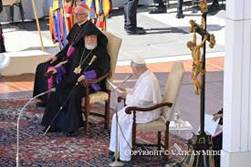
Catechesis. The Documents of the Second Vatican Council. III. Constitution Sacrosanctum Concilium. 1. The liturgy in the mystery of the Church
การเรียนคำสอนต่อเนื่อง : มองสภาสังคายนาวาติกันที่สองผ่านเอกสารของสภาสังคายนา III. สังฆธรรมนูญ Sacrosanctum Concilium ว่าด้วยพิธีกรรมศักดิ์สิทธิ์ (1) พิธีกรรมภายในธรรมล้ำลึกแห่งพระศาสนจักร
Dear brothers and sisters, good morning and welcome!
เจริญพรมายังพี่น้องชายหญิงที่รัก อรุณสวัสดิ์และยินดีต้อนรับ
Today we are beginning a new series of catecheses on the first Document issued by the Second Vatican Council: the Constitution on the sacred liturgy, Sacrosanctum Concilium (SC).
ในวันนี้พวกเราจะเรียนคำสอนต่อเนื่องเกี่ยวกับเอกสารอีกฉบับหนึ่งของสภาสังคายนาวาติกันที่สอง คือ สังฆธรรมนูญ Sacrosanctum Concilium ว่าด้วยพิธีกรรมศักดิ์สิทธิ์
In drafting this Constitution, the Council Fathers sought not only to undertake a reform of the rites, but to lead the Church to contemplate and deepen that living bond which constitutes and unites her: the mystery of Christ. Indeed, the liturgy touches the very heart of this mystery: it is at once the space, the time and the context in which the Church receives her very life from Christ. For in the liturgy, “the work of our redemption is accomplished” (SC, 2), which makes us a chosen lineage, a royal priesthood, a holy nation, a people whom God has acquired for Himself (cf. 1 Pet 2:9).
ในการร่างสังฆธรรมนูญฉบับนี้ นอกจากสภาสังคายนา[วาติกันที่สอง]จะพยายามปฏิรูปจารีตพิธีกรรมแล้ว ยังได้มุ่งจะนำทางให้พระศาสนจักรรำพึงไตร่ตรองเกี่ยวกับธรรมล้ำลึกแห่งพระคริสตเจ้า ซึ่งเป็นสายสัมพันธ์ที่ชีวิตที่ก่อร่างและทำให้พระศาสนจักรเป็นหนึ่งเดียวกัน ทั้งยังมุ่งจะให้พระศาสนจักรเสริมสร้างสายสัมพันธ์นี้ให้ลึกซึ้งยิ่งขึ้นด้วย จริงทีเดียวว่า พิธีกรรมย่อมสัมผัสถึงหัวใจของธรรมล้ำลึกอันนี้ เพราะว่าพิธีกรรมเป็นทั้งพื้นที่ เวลา และบริบทที่พระศาสนจักรได้รับชีวิตของตนจากพระคริสตเจ้า เหตุว่า “กิจการแห่งความรอดของเราทั้งหลายย่อมสำเร็จไป” (ข้อ 2) ภายในพิธีกรรม ทำให้เราได้เป็นวงศ์วานที่ได้รับการเลือกสรร เป็นสมณราชตระกูล เป็นชนชาติศักดิ์สิทธิ์ และเป็นประชากรที่พระเจ้าทรงได้มาเป็นของพระองค์เอง (เทียบ 1ปต 2:9)
As manifested by the threefold renewal – biblical, patristic and liturgical – that the Church underwent through the course of the twentieth century, the Mystery in question does not designate an obscure reality, but God’s salvific plan, hidden from all eternity and revealed in Christ, according to Saint Paul’s affirmation (cf. Eph 3:2-6). Here, then, is the Christian Mystery: the Paschal event, that is to say, the passion, death, resurrection and glorification of Christ, which is made sacramentally present to us precisely in the liturgy, so that every time we take part in the assembly gathered “in his name” (cf. Mt 18:20) we are immersed in this Mystery.
ในศตวรรษที่ 20 พระศาสนจักรได้พบกับการฟื้นฟูครั้งยิ่งใหญ่ในสามด้าน ได้แก่ ด้าน[การศึกษา]พระคัมภีร์ [การศึกษาความคิด]ของบรรดาปิตาจารย์[ในยุคแรกของพระศาสนจักร] และด้านพิธีกรรม การฟื้นฟูเหล่านี้ได้แสดงให้เห็นว่าธรรมล้ำลึก[แห่งพระศาสนจักร]ไม่ได้เป็นความจริงที่คลุมเครือ หากแต่เป็นแผนการบันดาลความรอดของพระเจ้าที่ซ่อนเร้นอยู่มาตั้งแต่ก่อนกาลเวลา และได้ถูกเปิดเผยแล้วในองค์พระคริสตเจ้า ตามที่นักบุญเปาโลได้ยืนยันไว้ (เทียบ อฟ 3:2-6) นี่คือธรรมล้ำลึกของคริสต์ศาสนา คือเหตุการณ์แห่งปัสกา ซึ่งเป็นการที่พระคริสตเจ้าทรงรับพระทรมาน สิ้นพระชนม์ กลับคืนพระชนม์ชีพ และทรงได้รับพระสิริรุ่งโรจน์ และสิ่งต่าง ๆ เหล่านี้ก็ถูกทำให้ปรากฏขึ้นในรูปเครื่องหมายศักดิ์สิทธิ์ต่อหน้าพวกเราทั้งหลายภายในพิธีกรรม เพื่อที่เมื่อใดก็ตามที่เราร่วมชุมนุม “ในพระนามของพระองค์” (เทียบ มธ 18:20) พวกเราก็จะได้เข้าไปอยู่ภายในธรรมล้ำลึกอันนี้
Christ Himself is the inner source of the mystery of the Church, the holy people of God, born from His side pierced on the cross. In the holy liturgy, through the power of His Spirit, He continues to act. He sanctifies and unites the Church, His bride, to His offering to the Father. He exercises His utterly unique priesthood, He who is present in the proclaimed Word, in the sacraments, in the ministers who celebrate, in the gathered community and, in the highest degree, in the Eucharist (cf. SC, 7). Thus, according to Saint Augustine (cf. Sermon, 272), in celebrating the Eucharist the Church receives the Body of the Lord and becomes what she receives: she becomes the Body of Christ, “a dwelling place of God in the Spirit” (Eph 2:22). This is the “work of our redemption”, which conforms us to Christ and builds us up in communion.
พระคริสตเจาทรงเป็นบ่อเกิดภายในของธรรมล้ำลึกแห่งพระศาสนจักร เพราะพระศาสนจักรที่เป็นประชากรศักดิ์สิทธิ์ของพระเจ้าได้บังเกิดออกมาจากรอยแผล ณ สีข้างของพระองค์บนไม้กางเขน และพระคริสตเจ้าก็ยังทรงกระทำกิจการอย่างต่อเนื่องภายในพิธีกรรม อาศัยพระอานุภาพของพระจิตเจ้า เพื่อทรงบันดาลให้พระศาสนจักรผู้เป็นเจ้าสาวของพระองค์ได้มีความศักดิ์สิทธิ์ เป็นหนึ่งเดียวกัน และเพื่อมอบถวายพระศาสนจักรแด่พระเจ้าพระบิดา พระเยซูเจ้าทรงใช้อำนาจความเป็นสมณหนึ่งเดียวของพระองค์ด้วยการประทับอยู่ใน[ทุกหนแห่งที่]มีการประกาศพระวาจา [ในทุกหนแห่งที่]มีการโปรดศีลศักดิ์สิทธิ์ ในตัวตนของศาสนบริกรผู้ประกอบพิธี ในบรรดาประชาสัตบุรุษที่มาชุมนุมกัน และเหนือสิ่งอื่นใด คือในศีลมหาสนิท (เทียบ สังฆธรรมนูญ Sacrosanctum Concilium, ข้อ 7) ซึ่งในเรื่องนี้ นักบุญเอากุสตินได้กล่าวไว้ (ในบทเทศน์ที่ 272) ว่า เมื่อใดที่พระศาสนจักรประกอบพิธีบูชาขอบพระคุณ เมื่อนั้นพระศาสนจักรก็ย่อมได้รับพระกายขององค์พระผู้เป็นเจ้า และได้กลายเป็นสิ่งที่ตนได้รับ คือ ได้เป็นพระกายของพระคริสตเจ้า “เป็นที่ประทับของพระเจ้า เดชะพระจิตเจ้า” (อฟ 2:22) สิ่งนี้เองที่เป็น “กิจการแห่งความรอดของพวกเรา” ซึ่งทำให้พวกเราได้เป็นเหมือนพระคริสตเจ้า และก่อร่างพวกเราขึ้นภายในความสนิทสัมพันธ์
In the holy liturgy, this communion is achieved through “rites and prayers” (SC, 48). The rituality of the Church expresses her faith – in accordance with the familiar saying lex orandi, lex credendi – and at the same time shapes ecclesial identity: the proclaimed Word, the celebration of the Sacrament, the gestures, the silences, the space – all this represents and gives form to the people gathered by the Father, the Body of Christ, the Temple of the Holy Spirit. Every celebration thus becomes a true epiphany of the Church in prayer, as Saint John Paul II recalled (Apostolic Letter Vicesimus quintus annus, 9).
พิธีกรรมศักดิ์สิทธิ์เป็นพื้นที่หนึ่งที่จะสร้างความสนิทสัมพันธ์เช่นนี้ ผ่านทาง “จารีตพิธีกรรมและการอธิษฐานภาวนา” (สังฆธรรมนูญ Sacrosanctum Concilium, ข้อ 48) พระศาสนจักรกระทำตามจารีตพิธีกรรมเพื่อแสดงออกถึงความเชื่อของตน ดังคำกล่าวที่เป็นที่รู้จักที่ว่า lex orandi, lex credendi (บรรทัดฐานของการอธิษฐานภาวนา ย่อมเป็นบรรทัดฐานของความเชื่อด้วย) แต่ในขณะเดียวกัน จารีตพิธีกรรมก็ยังก่อร่างอัตลักษณะของพระศาสนจักรด้วย ทั้งการประกาศพระวาจา การโปรดศีลศักดิ์สิทธิ์ กิริยาท่าทาง ความเงียบ และพื้นที่ ล้วนเป็นทั้งเครื่องหมายสื่อถึง[พระศาสนจักร] และเป็นสิ่งที่ก่อร่าง[พระศาสนจักร] ซึ่งเป็นประชากรที่พระเจ้าพระบิดาทรงรวบรวมให้มาอยู่ด้วยกัน เป็นพระกายพระคริสตเจ้าและพระวิหารของพระจิตเจ้า เช่นนี้เองที่การเฉลิมฉลองทุกอย่างย่อมเผยให้เห็นพระศาสนจักรที่อธิษฐานภาวนา ดังที่สมเด็จพระสันตะปาปานักบุญยอห์น ปอลที่สองได้ตรัสไว้ (สมณสาส์น Vicesimus quintus annus, 4 ธันวาคม 1988, ข้อ 9)
If the liturgy is at the service of the mystery of Christ, one understands why it has been defined as “the summit toward which the activity of the Church is directed … the font from which all her power flows” (SC, 10). It is true that the action of the Church is not limited to the liturgy alone; however, all her activity (preaching, service to the poor, the accompaniment of human realities) converges towards this “summit”. Conversely, the liturgy sustains the faithful by immersing them ever and anew in the Pasch of the Lord and, thus, through the proclamation of the Word, the celebration of the sacraments and communal prayer, they are refreshed, encouraged and renewed in their commitment to faith and in their mission. In other words, the participation of the faithful in the liturgical action is at once “internal” and “external”.
เมื่อพิธีกรรมเป็นสิ่งที่มีไว้รับใช้ธรรมล้ำลึกของพระคริสตเจ้า พวกเราย่อมเข้าใจได้ว่า เพราะเหตุใดพิธีกรรมจึงถูกให้นิยามว่าเป็น “จุดสูงสุดที่เป็นปลายทางสำหรับกิจกรรมทั้งหลายของพระศาสนจักร … [และเป็น]บ่อเกิดต้นทางแห่งพลานุภาพทั้งปวงของพระศาสนจักรที่หลั่งไหลออกมา” (สังฆธรรมนูญ Sacrosanctum Concilium, ข้อ 10) จริงอยู่ว่าสิ่งที่พระศาสนจักรกระทำไม่ได้มีเพียงพิธีกรรม แต่กิจกรรมทุกอย่างของพระศาสนจักร (ทั้งการเทศน์สอน การรับใช้คนยากจน การอยู่เคียงข้างความเป็นจริงทั้งหลายของมนุษย์) ย่อมประสานรวมกันและมุ่งสู่ “จุดสูงสุด” นี้ [ซึ่งก็คือพิธีกรรม] และในอีกด้านหนึ่ง พิธีกรรมก็ยังเกื้อหนุนเสริมกำลังแก่บรรดาผู้เชื่อ ด้วยการ[เป็นพื้นที่ที่]พวกเขาจะได้เข้ามาอยู่ภายในปัสกาของพระคริสตเจ้าครั้งแล้วครั้งเล่า และการประกาศพระวาจา การโปรดศีลศักดิ์สิทธิ์และการอธิษฐานภาวนาร่วมกัน[ภายในพิธีกรรม] ก็ย่อมทำให้บรรดาผู้เชื่อได้พักผ่อนเสริมกำลัง ได้รับกำลังใจ และได้รับการฟื้นฟูให้กลับเป็นใหม่ มีความยึดมั่นอยู่ในความเชื่อและการปฏิบัติตามพันธกิจที่ได้รับมอบหมาย กล่าวได้อีกทางหนึ่งว่า การที่บรรดาผู้เชื่อมีส่วนร่วมในพิธีกรรมนั้น มีทั้งแง่มุม[ที่มุ่งยัง] “ภายใน” และ “ภายนอก” อยู่ในขณะเดียวกัน
This also means that it is called to unfold in a tangible way throughout daily life, in an ethical and spiritual dynamic, so that the liturgy celebrated is translated into life and demands a faithful existence, capable of making concrete what has been experienced in the celebration: it is in this way that our life becomes a “living sacrifice, holy and acceptable to God”, fulfilling our “spiritual worship” (Rom 12:1).
สิ่งนี้ยังมีความหมายอีกอย่างหนึ่งด้วย คือ พิธีกรรมจะต้องเป็นสิ่งที่สัมผัสได้ และเป็นสิ่งที่[อยู่เคียงข้าง]ชีวิตประจำวันในทุกมิติ [โดยมีพลวัต]ทั้งในด้านจริยธรรมและด้านชีวิตจิต ทั้งนี้เพื่อให้สิ่งที่เกิดขึ้นในพิธีกรรมถูกแปรเปลี่ยนเป็นวิถีชีวิต และเชื้อเชิญให้บรรดาผู้เชื่อมีความซื่อสัตย์ในการนำสิ่งที่ตนได้สัมผัสในพิธีกรรมไปปฏิบัติอย่างเป็นรูปธรรม ทำให้ชีวิตของพวกเราได้กลายเป็น “เครื่องบูชาที่มีชีวิตที่ศักดิ์สิทธิ์และเป็นที่พอพระทัยแด่พระเจ้า” และเป็นการที่พวกเรากระทำ “คารวกิจด้วยจิตใจ” (รม 12:1)
In this way, “the liturgy daily builds up those who are within into a holy temple of the Lord” (SC, 2), and forms an open community, welcoming to all. Indeed, it is inhabited by the Holy Spirit, it introduces us into the life of Christ, it makes us His Body and, in all its dimensions, it represents a sign of the unity of the entire human race in Christ. As Pope Francis said, “the world still does not know it, but everyone is invited to the supper of the wedding of the Lamb (Rev 19:9)” (Apostolic Letter Desiderio desideravi, 5).
เช่นนี้เอง “ในทุก ๆ วัน พิธีกรรมจึงเป็นสิ่งที่ก่อร่างบุคคลทั้งหลายที่[ร่วม]อยู่ใน[พิธีกรรม]นั้น ให้กลายเป็นพระวิหารศักดิ์สิทธิ์ขององค์พระผู้เป็นเจ้า” (สังฆธรรมนูญ Sacrosanctum Concilium, ข้อ 2) และสร้างประชาคมที่เปิดกว้างต้อนรับทุกคน จริงทีเดียวว่า ในพิธีกรรมมีพระจิตเจ้าประทับอยู่ พิธีกรรมย่อมนำพวกเราเข้าสู่ชีวิตของพระคริสตเจ้า ทำให้พวกเราเป็นพระกายของพระองค์ และทุกมิติของพิธีกรรมยังเป็นเครื่องหมายที่สื่อถึงความเป็นหนึ่งเดียวกันของมนุษยชาติทั้งมวลภายในพระคริสตเจ้า ดังที่สมเด็จพระสันตะปาปาฟรานซิสได้ตรัสไว้ว่า “ถึงแม้ว่าโลกนี้จะยังไม่รู้ แต่ทุกคนก็ได้รับเชิญให้มาในเลี้ยงอาหารค่ำ ซึ่งเป็นงานวิวาหมงคลของลูกแกะ[พระเจ้า]แล้ว (เทียบ วว 19:9)” (สมณสาส์น Desiderio desideravi, 29 มิถุนายน 2022, ข้อ 5)
Dear friends, let us allow ourselves to be shaped inwardly by the rites, symbols, gestures and above all the living presence of Christ in the liturgy, which we will have the opportunity to explore in the coming Catecheses.
มิตรที่รักทั้งหลาย ขอให้พวกเราเปิดใจให้สิ่งต่าง ๆ ที่มีอยู่ในพิธีกรรมได้ก่อร่างพวกเราขึ้นจากภายใน ไม่ว่าจะเป็นจารีตพิธีกรรม สัญลักษณ์ กิริยาท่าทางทั้งหลาย และเหนือสิ่งอื่นใด คือการประทับอยู่ของพระคริสตเจ้าผู้ทรงพระชนม์ ซึ่งพวกเราก็จะได้มีโอกาสสำรวจเรื่องราวเกี่ยวกับพิธีกรรมในการเรียนคำสอนครั้งต่อ ๆ ไป
พระดำรัสของสมเด็จพระสันตะปาปาหลังการสอนคำสอน
I greet this morning all the English-speaking pilgrims and visitors taking part in today’s Audience, particularly the groups from England, Ireland, Tanzania, India, Japan, Malaysia, the Philippines, Vietnam, Canada and the United States of America, as well as the Patrons of the Arts in the Vatican Museums from Canada. Upon all of you, and upon your families, I invoke the joy and peace of the risen Jesus! God bless you!
พ่อขอส่งคำทักทายอย่างอบอุ่นแก่ผู้แสวงบุญและผู้มาเยือนที่พูดภาษาอังกฤษที่ได้มาหาพ่อในเช้าวันนี้ โดยเฉพาะอย่างยิ่ง กลุ่มที่มาจากอังกฤษ ไอร์แลนด์ แทนซาเนีย อินเดีย ญี่ปุ่น มาเลเซีย ฟิลิปปินส์ เวียดนาม แคนาดา และสหรัฐอเมริกา ตลอดจนกลุ่มผู้สนับสนุนศิลปะในพิพิธภัณฑ์วาติกันที่มาจากแคนาดา] พ่อขอให้ลูกทุกคนและครอบครัวของพวกลูกจงได้รับความปีติยินดีและสันติสุขจากพระเยซูเจ้าผู้ทรงกลับคืนพระชนม์ชีพแล้ว ขอให้พระเจ้าโปรดประทานพระพรแก่ลูกทุกคน
Mi rivolgo, infine, ai giovani, ai malati e agli sposi novelli, augurando a ciascuno di servire sempre Dio nella gioia e di amare il prossimo con spirito evangelico. A tutti la mia benedizione!
ท้ายสุด พ่อมีความระลึกถึงบรรดาเยาวชน บรรดาคนป่วย และบรรดาคนที่เพิ่งแต่งงาน พ่อขอเป็นกำลังใจให้ลูกทุกคนรับใช้พระเจ้าด้วยความปีติยินดี และรักเพื่อนบ้านด้วยจิตวิญญาณตามแนวพระวรสารอยู่เสมอทุกเมื่อ พ่อขออวยพรลูกทุกคน
ใจความสรุปการสอนคำสอนของสมเด็จพระสันตะปาปา
Dear Brothers and Sisters, as we continue our series of catecheses on the Second Vatican Council, today we consider the Constitution on the Sacred Liturgy, Sacrosanctum Concilium. This document teaches that the liturgy immerses us in the mystery of Christ’s passion, death, resurrection and glorification. Through liturgical rites and prayers, and by the power of the Spirit, Jesus exercises his priesthood and sanctifies the Church, his spouse, uniting her to his own oblation to the Father. Indeed, Christ is present in the word that is proclaimed, in the sacraments, in the ministers, in the community, and most of all in the Eucharist. Let us allow ourselves to be shaped from within by the rites, symbols, gestures and above all by the living presence of Christ in the liturgy, which we will have further opportunity to explore.
พี่น้องชายหญิงที่รัก ในการเรียนคำสอนต่อเนื่องเกี่ยวกับเอกสารของสภาสังคายนาวาติกันที่สอง วันนี้พวกเราจะพิจารณาเกี่ยวกับสังฆธรรมนูญ Sacrosanctum Concilium ว่าด้วยพิธีกรรมศักดิ์สิทธิ์ เอกสารฉบับนี้สอนว่า พิธีกรรมทำให้พวกเราได้ไปอยู่ภายในธรรมล้ำลึกของการที่พระคริสตเจ้าทรงรับพระทรมาน สิ้นพระชนม์ กลับคืนพระชนม์ชีพ และทรงได้รับพระสิริรุ่งโรจน์ พระเยซูเจ้าทรงใช้อำนาจความเป็นสมณของพระองค์เพื่อบันดาลให้พระศาสนจักรผู้เป็นเจ้าสาวของพระองค์ได้มีความศักดิ์สิทธิ์ ให้พระศาสนจักรร่วมเป็นหนึ่งเดียวกับการบูชาที่พระองค์ทรงถวายแด่พระเจ้าพระบิดา ทั้งนี้ โดยผ่านทางจารีตพิธีกรรม คำอธิษฐานภาวนา และพระอานุภาพของพระจิตเจ้า จริงทีเดียวว่าพระคริสตเจ้าย่อมประทับอยู่ภายในพระวาจาที่ถูกนำไปประกาศ และภายในศีลศักดิ์สิทธิ์ ตลอดจนภายในศาสนบริกร ภายในประชาสัตบุรุษที่มาชุมนุมกัน และเหนือสิ่งอื่นใด คือภายในศีลมหาสนิท ดังนั้น ขอให้พวกเราเปิดใจให้[สิ่งต่าง ๆ ในพิธีกรรม]ได้ก่อร่างพวกเราขึ้นจาภายใน ทั้งจารีต เครื่องหมาย กิริยาท่าทาง และเหนือสิ่งอื่นใด คือการประทับอยู่ของพระคริสตเจ้าภายในพิธีกรรม ซึ่งเป็นสิ่งที่พวกเราจะพิจารณาในการเรียนคำสอนครั้งต่อ ๆ ไป
(วิษณุ ธัญญอนันต์ และวรินทร เติมอริยบุตร แห่งจุฬาลงกรณ์มหาวิทยาลัย
เก็บการสอนคำสอน General Audience ของพระสันตะปาปาเลโอมาแบ่งปันและเพื่อการไตร่ตรอง)