
LEO XIV
สมเด็จพระสันตะปาปาเลโอที่สิบสี่
GENERAL AUDIENCE / การเข้าเฝ้าแบบทั่วไป
Saint Peter’s Square, Wednesday, 27 May 2026
ณ ลานหน้ามหาวิหารนักบุญเปโตร นครรัฐวาติกัน
เมื่อวันพุธที่ 27 พฤษภาคม 2026
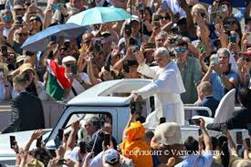
Catechesis. The Documents of the Second Vatican Council. III. Constitution Sacrosanctum Concilium. 2. The reform of the liturgy: tradition and development
การเรียนคำสอนต่อเนื่อง : มองสภาสังคายนาวาติกันที่สองผ่านเอกสารของสภาสังคายนา III. สังฆธรรมนูญ Sacrosanctum Concilium ว่าด้วยพิธีกรรมศักดิ์สิทธิ์ (2) การปฏิรูปพิธีกรรม: ธรรมประเพณีกับพัฒนาการ
Dear brothers and sisters, good morning and welcome!
เจริญพรมายังพี่น้องชายหญิงที่รัก อรุณสวัสดิ์และยินดีต้อนรับ
In the Encyclical Mediator Dei, the Venerable Pius XII writes that “the Church is without question a living organism, and as an organism, in respect of the sacred liturgy also, she grows, matures, develops, adapts and accommodates herself to temporal needs and circumstances, provided only that the integrity of her doctrine be safeguarded” (no. 59).
สมเด็จพระสันตะปาปาปีโอที่สิบสอง ได้ตรัสไว้ในสมณสาส์นเวียน Mediator Dei ว่า “ไม่ต้องสงสัยเลยว่าพระศาสนจักรเป็นสิ่งมีชีวิต และเมื่อพระศาสนจักรเป็นสิ่งมีชีวิต ก็ย่อมมีการเติบโต ก้าวหน้า พัฒนา ประยุกต์ และปรับตัวให้เหมาะกับความจำเป็นและสถานการณ์ฝ่ายโลก โดยรวมถึงในด้านพิธีกรรมศักดิ์สิทธิ์ด้วย ทั้งนี้ ภายใต้เงื่อนไขว่า คำสอนของพระศาสนจักรจะต้องได้รับการธำรงรักษาไว้อย่างครบถ้วนสมบูรณ์” (ข้อ 59)
In full accordance with this principle, the Second Vatican Council, in the Introduction to the Constitution Sacrosanctum Concilium (SC), recognizes “particularly cogent reasons for undertaking the reform and promotion of the liturgy” (no. 1). The Council assembly was gathered, in fact, with the desire to “impart an ever increasing vigour to the Christian life of the faithful; to adapt more suitably to the needs of our own times those institutions which are subject to change; to foster whatever can promote union among all who believe in Christ; to strengthen whatever can help to call the whole of mankind into the household of the Church” (ibid.).
โดยที่เป็นการสอดคล้องกับหลักการดังกล่าวอย่างเต็มที่ สภาสังคายนาวาติกันที่สอง ภายในบทนำของสังฆธรรมนูญ Sacrosanctum Concilium ได้ยอมรับว่ามี “เหตุผลอันน่าเชื่อเป็นพิเศษ สำหรับการลงมือปฏิรูปและส่งเสริมพิธีกรรม” (ข้อ 1) แท้จริงแล้ว สภาสังคายนาได้มาประชุมกันด้วยความปรารถนาที่จะ “มอบความมีชีวิตชีวายิ่ง ๆ ขึ้นให้มีในชีวิตคริสตชนของบรรดาผู้เชื่อ และปรับประยุกต์กลไกทั้งหลายที่สามารถเปลี่ยนแปลงได้ ให้สอดคล้องกับความจำเป็นในยุคสมัย[ปัจจุบัน] และทำนุบำรุงทุกสิ่งทุกอย่างที่สามารถส่งเสริมให้เกิดเอกภาพในหมู่ผู้คนทั้งหลายที่เชื่อในพระคริสตเจ้า และเพื่อเสริมสร้างทุกสิ่งทุกอย่างที่จะช่วยเชื้อเชิญให้มนุษยชาติทั้งมวลมาอยู่ภายในครอบครัวพระศาสนจักรได้” (ที่เดียวกัน)
At that moment in history, there was a strong sense of the need for a renewal of the ritual forms through which, for centuries, the Church had glorified God and sanctified the Christian people. Thanks to the Liturgical Movement, the conviction had matured—later expressed by Saint John Paul II—that “a very close and organic bond exists between the renewal of the liturgy and the renewal of the whole life of the Church. The Church not only acts but also expresses herself in the liturgy, lives by the liturgy and draws from the liturgy the strength for her life” (Letter Dominicae Cenae, 13).
ในช่วงเวลาดังกล่าวในประวัติศาสตร์ มีความสำนึกอันแรงกล้าอยู่อย่างหนึ่งว่า รูปแบบพิธีกรรม ซึ่งพระศาสนจักรได้ใช้เพื่อถวายเกียรติมงคลแด่พระเจ้าและบันดาลความศักดิ์สิทธิ์แก่บรรดาคริสตชนมาเป็นเวลาหลายศตวรรษนั้น จะต้องได้รับการฟื้นฟู ขบวนการ[ฟื้นฟู]พิธีกรรมได้ทำให้ความเชื่อมั่นอย่างหนึ่งเติบโตขึ้น ซึ่งเป็นความเชื่อมั่นอย่างที่สมเด็จพระสันตะปาปายอห์น ปอลที่สองได้ตรัสไว้ว่า “การฟื้นฟูพิธีกรรมกับการฟื้นฟูชีวิตของพระศาสนจักรทั้งมวล มีสายสัมพันธ์ที่มีชีวิตและใกล้ชิดยิ่งระหว่างกัน การประกอบพิธีกรรมไม่ได้เป็นเพียงกิจกรรมอย่างหนึ่งของพระศาสนจักร เหตุว่าพระศาสนจักรย่อมแสดงออกเกี่ยวกับตนเองในพิธีกรรม พระศาสนจักรย่อมเจริญชีวิตอาศัยพิธีกรรม และพระศาสนจักรย่อมได้รับพละกำลังสำหรับการเจริญชีวิตได้จากภายในพิธีกรรม (สมณลิขิต Dominicae Cenae, ข้อ 13)
To encourage the access of the faithful to the richness of the gifts of grace dispensed by the sacred liturgy, the Constitution Sacrosanctum Concilium thus indicates, with a very effective phrase, the direction to take: “That sound tradition may be retained, and yet the way remain open to legitimate progress” (SC, 23).
เพื่อส่งเสริมให้สัตบุรุษได้เข้าถึงความมั่งคั่งแห่งพระหรรษทานที่แจกจ่ายผ่านทางพิธีกรรมศักดิ์สิทธิ์ สังฆธรรมนูญ Sacrosanctum Concilium จึงได้กล่าวชี้แนวทางที่ก่อให้เกิดผลในทางปฏิบัติไว้ดังนี้ว่า “พึงรักษาไว้ซึ่งธรรมประเพณีที่ถูกต้องดีงาม แต่ก็ให้เปิดกว้างต่อพัฒนาการที่มีความชอบธรรม” (ข้อ 23)
Pope Benedict XVI grasped in this declaration of intent the “reform programme” of the Council Fathers, “a balance between the great liturgical tradition of the past and that of the future”, noting that “tradition and progress are often clumsily opposed”, whereas “actually, the two concepts merge: tradition is a living reality, which therefore includes in itself the principle of development, of progress. It is as if to say that the river of tradition also carries its source in itself and flows towards the outlet” (Address to participants in the Congress promoted by the Pontifical Athenaeum of Saint Anselm on the 50th anniversary of foundation, 6 May 2011).
สมเด็จพระสันตะปาปาเบเนดิกต์ที่สิบหก ได้ทรงเล็งเห็นว่า คำประกาศเกี่ยวกับ “โครงการปฏิรูป” ของ[สภาสังคายนาวาติกันที่สอง]นี้ เป็น[สิ่งที่มุ่งให้เกิด] “สมดุลในธรรมประเพณีอันยิ่งใหญ่ว่าด้วยพิธีกรรม ระหว่างอดีต กับอนาคต” พระองค์ได้ตรัสชี้ว่า “บ่อยครั้งธรรมประเพณีมักถูกมองอย่างผิวเผินว่า เป็นสิ่งที่อยู่ตรงข้ามกับความก้าวหน้า” แต่ “แท้จริงแล้ว ข้อความคิดสองประการข้างต้นย่อมประสานเข้าหากัน เพราะธรรมประเพณีเป็นความเป็นจริงที่มีชีวิต ด้วยเหตุนี้ [ธรรมประเพณี]จึงมีหลักแห่งการพัฒนาและความก้าวหน้ารวมอยู่ในนั้น โดยอาจกล่าวได้เช่นนี้ว่า สายธารแห่งธรรมประเพณีย่อมหลั่งไหลสู่ปลายน้ำ โดยนำเอาต้นน้ำที่อยู่ภายในตนเองไปด้วย” (พระดำรัสต่อผู้ที่เข้าร่วมการประชุมใหญ่ที่สนับสนุนโดยสมณมหาวิทยาลัยนักบุญอันเซลโม เนื่องในโอกาส 50 ปีของการสถาปนาสมณวิทยาลัยฯ, 6 พฤษภาคม 2011)
The Council affirms the legitimacy of this progress, rooted in authentic Tradition, distinguishing within the liturgy “immutable elements, divinely instituted” from “elements subject to change [which] not only may but ought to be changed with the passage of time if they have suffered from the intrusion of anything out of harmony with the inner nature of the liturgy or have become unsuited to it” (SC, 21). Changes of this type have taken place constantly over the centuries in order to enable the faithful to participate fruitfully, through ritual actions, in the Paschal Mystery of Christ, the foundation of the Christian faith. The Church’s worship has thus been “embodied” in the cultural forms of each age and has been able to influence them and even transform them. The liturgy has thus been, for centuries, a driving force for evangelization. Today, this energy must be renewed in continuity with the authentic and living Catholic tradition, that is, in accordance with a dynamic aimed at introducing believers to the fullness of the truth.
สภาสังคายนา[วาติกันที่สอง]ยืนยันถึงความชอบธรรมของพัฒนาการเช่นนี้ ซึ่งมีรากฐานอยู่ในธรรมประเพณีที่แท้จริงเชื่อถือได้ และได้แยกแยะ[สิ่งที่มีอยู่ในพิธีกรรม] ระหว่าง “องค์ประกอบที่พระเจ้าทรงสถาปนาไว้ จึงไม่อาจเปลี่ยนแปลงได้” กับ “สิ่งที่เปลี่ยนแปลงได้ ซึ่งรวมถึงสิ่งที่ควรจะต้องเปลี่ยนแปลงไปตามกาลสมัย หากว่าเป็นสิ่งที่ถูกเจือปนด้วยบางสิ่งบางอย่างที่ไม่สอดคล้องกับธรรมชาติภายในของพิธีกรรม หรือได้กลายเป็นสิ่งที่ไม่เหมาะสม[กับธรรมชาติภายในของพิธีกรรม เมื่อยุคสมัยเปลี่ยนแปลงไป]” (สังฆธรรมนูญ Sacrosanctum Concilium, ข้อ 21) ตลอดทุกยุคสมัยของประวัติศาสตร์ได้เกิดความเปลี่ยนแปลงต่าง ๆ อยู่เสมอ[ในพิธีกรรม] เพื่อให้สัตบุรุษที่ร่วมในพิธีกรรมได้เข้าส่วนในธรรมล้ำลึกแห่งปัสกาของพระคริสตเจ้า ซึ่งเป็นรากฐานของความเชื่อคริสตชน ได้อย่างมีประสิทธิผล ผ่านการแสดงกิริยาท่าทางภายในพิธีกรรม เช่นนี้เอง คารวกิจของพระศาสนจักรจึงได้ “เป็นรูปเป็นร่าง” ภายในรูปแบบวัฒนธรรมของแต่ละยุคสมัย ทั้งยังส่งอิทธิพล หรือแม้กระทั่งสร้างความเปลี่ยนแปลง[ในวัฒนธรรม]เหล่านั้นได้อีกด้วย พิธีกรรมได้เป็นแรงผลักดันการประกาศข่าวดีมาตลอดทุกยุคทุกสมัย และในปัจจุบัน พวกเราก็จำเป็นต้องฟื้นฟูพลวัตเช่นนี้ โดยให้มีความต่อเนื่องกับธรรมประเพณีที่มีชีวิตและถูกต้องแท้จริงของพระศาสนจักรคาทอลิก กล่าวคือ จะต้องสอดคล้องกับพลวัตที่มุ่งนำพาบรรดาผู้เชื่อเข้าสู่ความบริบูรณ์แห่งความจริง
It is therefore understandable why the Council Fathers recommended that the revision of the rites, when “the good of the Church genuinely and certainly requires them”, must be carried out taking care that “any new forms adopted should in some way grow organically from forms already existing” (SC, 23). For the good of the entire Church, every reform must always be preceded by careful “theological, historical and pastoral” investigation (ibid.). The Council Magisterium, in this way, thus calls for the avoidance of confusion amongst the faithful, discouraging anyone from adding, removing or altering anything in liturgical matters on their own initiative (cf. SC, 22). The progress evoked in the Conciliar Constitution in no way compromises ecclesial communion: rather, it seeks to confirm and foster it.
ด้วยเหตุนี้จึงสามารถเข้าใจได้ว่า เพราะเหตุใด[สภาสังคายนาวาติกันที่สอง]จึงแนะนำให้ทบทวนแก้ไขจารีตพิธีกรรม หากว่า “มีความจำเป็นอย่างแท้จริงและแน่นอน เพื่อประโยชน์ของพระศาสนจักร” ทั้งนี้ โดยต้องดำเนินการอย่างระมัดระวัง เพื่อที่ “รูปแบบใหม่อย่างใดก็ตามที่มีการตกลงกัน จะต้องเป็นสิ่งที่เติบโตขึ้นอย่างมีชีวิตจากรูปแบบที่มีอยู่แล้ว ไม่ทางใดก็ทางหนึ่ง” (สังฆธรรมนูญ Sacrosanctum Concilium, ข้อ 23) และเพื่อที่จะให้เกิดประโยชน์แก่พระศาสนจักรทั้งมวล การปฏิรูปใด ๆ ก็ตามย่อมต้อง[มีพื้นฐาน]อยู่บนการพินิจพิเคราะห์อย่างระมัดระวัง ทั้งในด้าน “เทววิทยา ประวัติศาสตร์ และการอภิบาล” (ที่เดียวกัน) เช่นนี้ อำนาจสอนของสภาสังคายนาจึงเรียกร้องให้หลีกเลี่ยง[การกระทำใด ๆ ที่จะ]ทำให้เกิดความสับสนในหมู่สัตบุรุษ ทั้งยังห้ามไม่ให้ผู้ใดแต่งเติม ลดทอน หรือเปลี่ยนแปลงสิ่งทั้งหลายในพิธีกรรมโดยตามใจตนเอง (สังฆธรรมนูญ Sacrosanctum Concilium, ข้อ 22) [ด้วยเหตุนี้] ความก้าวหน้าอย่างที่กล่าวถึงไว้ในสังฆธรรมนูญ Sacrosanctum Concilium จึงไม่ใช่สิ่งที่บ่อนทำลายความสนิทสัมพันธ์ของพระศาสนจักร หากแต่มุ่งจะยืนยันและทำนุบำรุง[ความสนิทสัมพันธ์ดังกล่าว]
I therefore urge all those called to prepare the celebration of the divine mysteries, in particular priests who exercise the ministry of liturgical presidency, to always uphold that respect for the texts and regulations of the liturgy which springs from an inner attitude of openness and trust in God, manifesting humility before His greatness and sincere fidelity to ecclesial communion.
ด้วยเหตุนี้ พ่อจึงขอเรียกร้องต่อทุกคนที่มีหน้าที่ประกอบ[พิธีกรรม]ศักดิ์สิทธิ์ โดยเฉพาะอย่างยิ่ง บรรดาบาทหลวงที่เป็นประธานในพิธีกรรม ขอให้พวกท่านให้ความเคารพอยู่เสมอต่อข้อความและกฎพิธีทั้งหลาย เพราะความเคารพนี้ย่อมหลั่งไหลมาจากทัศนคติภายในแห่งความเปิดกว้างและเชื่อมั่นวางใจในพระเจ้า ขอให้พวกท่านแสดงออกซึ่งความสุภาพถ่อมตนเมื่อได้มาอยู่เบื้องหน้าพระองค์ และขอให้พวกท่านแสดงออกซึ่งความซื่อสัตย์จริงใจต่อความสนิทสัมพันธ์ของพระศาสนจักรด้วย
พระดำรัสของสมเด็จพระสันตะปาปาหลังการสอนคำสอน
I am following with concern the war in Ukraine, which has intensified significantly in recent days. I wish to express my solidarity with all those suffering as a result of the recent attacks, which have also targeted civilians.
พ่อกำลังติดตามสงครามในยูเครนด้วยความห่วงกังวล การสู้รบที่นั่นกำลังทวีความรุนแรงขึ้นอย่างมีนัยสำคัญในช่วงไม่กี่วันมานี้ พ่อขอแสดงความเป็นน้ำหนึ่งใจเดียวกันกับผู้คนทั้งหลายที่ต้องทนทุกข์เพราะถูกโจมตีในช่วงไม่นานนี้ที่มีการพุ่งเป้ายังพลเรือนด้วย
War does not solve problems; it exacerbates them. It does not build security; it multiplies suffering and hatred. Where missiles and drones fall, hopes are crushed, homes and places of worship are destroyed, and innocent lives are cut short.
สงครามย่อมไม่ใช่วิธีการแก้ปัญหา มีแต่จะทำให้ปัญหารุนแรงยิ่งขึ้น สงครามย่อมไม่ทำให้เกิดความมั่นคงปลอดภัย มีแต่จะทวีความทุกข์ทรมานและความเกลียดชัง เมื่อใดก็ตามที่ขีปนาวุธตกลงมา เมื่อใดก็ตามที่เครื่องบินไร้คนขับร่วงลงมา เมื่อนั้นความหวังย่อมถูกบดขยี้ บ้านเรือนและศาสนสถานย่อมถูกทำลาย และชีวิตของผู้บริสุทธิ์ก็ย่อมถูกพรากไป
I entrust all peoples stricken by war to the protection of the Virgin Mary, Queen of Peace.
พ่อขอมอบถวายผู้คนทั้งหลายที่ถูกทำร้ายในสงคราม ให้อยู่ภายใต้การคุ้มครองของพระนางมารีย์พรหมจารี ผู้เป็นราชินีแห่งสันติสุข
I greet the English speaking pilgrims and visitors taking part in today’s audience, in particular the groups from England, Ireland, Cameroon, Kenya and Nigeria, India, Pakistan, the Philippines, South Korea, Canada and the United States of America. May the peace of God guard your minds and your hearts that you may know the love of Jesus Christ and joyfully share it with others. God bless you!
พ่อขอส่งคำทักทายแก่ผู้จาริกแสวงบุญและผู้มาเยือนที่พูดภาษาอังกฤษที่ได้มาหาพ่อในเช้าวันนี้ โดยเฉพาะอย่างยิ่ง กลุ่มที่มาจากอังกฤษ ไอร์แลนด์ แคเมอรูน เคนยา ไนจีเรีย อินเดีย ปากีสถาน ฟิลิปปินส์ เกาหลีใต้ แคนาดา และสหรัฐอเมริกา พ่อขอให้สันติสุขของพระเจ้าจงพิทักษ์รักษาจิตใจของพวกลูก เพื่อที่ลูกจะได้รู้จักความรักของพระเยซูคริสตเจ้า และนำความรักของพระองค์ไปแบ่งปันกับผู้อื่นด้วยจิตใจที่เปี่ยมด้วยความปีติยินดี ขอให้พระเจ้าโปรดประทานพระพรแก่ลูกทุกคน
Mi rivolgo, infine, ai giovani, ai malati e agli sposi novelli. Il vostro pellegrinaggio a Roma, e in particolare alle tombe degli Apostoli rinvigorisca la vostra fede in Cristo: sia Egli la luce e la via per la vostra esistenza. A tutti la mia benedizione!
ท้ายสุด พ่อมีความระลึกถึงบรรดาเยาวชน บรรดาคนป่วย และบรรดาคนที่เพิ่งแต่งงาน ขอให้การที่พวกลูกได้มาแสวงบุญที่กรุงโรม และโดยเฉพาะอย่างยิ่ง ณ สุสานของบรรดาอัครสาวก จงเป็นเครื่องหล่อเลี้ยงความเชื่อในพระเยซูคริสตเจ้า และขอให้พระองค์ทรงเป็นแสงสว่างและหนทางแห่งชีวิตของพวกลูกด้วย พ่อขออวยพรลูกทุกคน
ใจความสรุปการสอนคำสอนของสมเด็จพระสันตะปาปา
Dear brothers and sisters, in today’s reflection on Sacrosanctum Concilium, we consider the liturgy through the lens of tradition and of development. Pope Pius XII called the Church a “living organism” which needs to grow, mature and adapt to circumstances. Indeed, desiring that Christian life should thrive and grow, the Second Vatican Council recognized that it was time to adjust some adaptable elements in the liturgy for the health and vitality of the Church, to fortify and rejuvenate Christians, and to foster unity and evangelize men and women. The Council affirmed that legitimate progress in the liturgy must also preserve sound tradition, and that certain elements of the liturgy can not change because they are divinely instituted. In a particular way, I encourage everyone to respect the texts and norms of the liturgy with openness, humility, trust in God’s greatness and with sincere fidelity to ecclesial communion.
พี่น้องชายหญิงที่รัก ในการเรียนคำสอนต่อเนื่องเกี่ยวกับเอกสารของสภาสังคายนาวาติกันที่สอง วันนี้พวกเราจะพิจารณาเกี่ยวกับสังฆธรรมนูญ Sacrosanctum Concilium ว่าด้วยพิธีกรรมศักดิ์สิทธิ์ โดยผ่านมุมมองเกี่ยวกับธรรมประเพณีและพัฒนาการ สมเด็จพระสันตปาปาปีโอที่สิบสองได้ตรัสไว้ว่า พระศาสนจักรเป็น “สิ่งมีชีวิต” ซึ่งจะต้องเติบโต ก้าวหน้า และปรับตัวให้เข้ากับสถานการณ์ จริงทีเดียวว่า สภาสังคายนาวาติกันที่สองปรารถนาให้ชีวิตคริสตชนมีความเจริญและเติบโต สภาสังคายนาจึงยอมรับว่า ถึงเวลาแล้วที่จะต้องปรับเปลี่ยนองค์ประกอบที่เปลี่ยนแปลงได้บางอย่างภายในพิธีกรรม เพื่อให้พระศาสนจักรแข็งแรงมีชีวิตชีวา เพื่อให้ความเชื่อของบรรดาคริสตชนได้รับการรักษาไว้ให้มั่นคงและได้รับการฟื้นฟู เพื่อส่งเสริมเอกภาพ และเพื่อประกาศข่าวดีแก่ผู้คนทั้งหลาย สภาสังคายนาได้ยืนยันว่า ความก้าวหน้าที่ชอบธรรมในเรื่องพิธีกรรมจะต้องรักษาไว้ซึ่งธรรมประเพณีที่ถูกต้องดีงาม และองค์ประกอบบางอย่างในพิธีกรรมก็ไม่สามารถเปลี่ยนแปลงได้ เพราะเป็นสิ่งที่พระเจ้าทรงสถาปนาไว้ [ในโอกาสนี้] พ่อขอเรียกร้องเป็นพิเศษให้ทุกคนมีความเคารพต่อข้อความและกฎพิธีกรรม ด้วยจิตใจที่เปิดกว้าง เชื่อมั่น มีความสุภาพถ่อมตนเบื้องหน้าพระเจ้า และมีความซื่อสัตย์จริงใจต่อความสนิทสัมพันธ์ของพระศาสนจักร
(วิษณุ ธัญญอนันต์ และวรินทร เติมอริยบุตร แห่งจุฬาลงกรณ์มหาวิทยาลัย
เก็บการสอนคำสอน General Audience ของพระสันตะปาปาเลโอมาแบ่งปันและเพื่อการไตร่ตรอง)