Homily and Reflection
Sunday, 1 November 2026
Solemnity of All Saints – Year A
Revelation 7:2–4, 9–14; 1 John 3:1–3; Matthew 5:1–12a
“Saints are not those who have never fallen, but those who never stop walking with God.”
1. Introduction: Heaven Is Not Filled with Perfect People
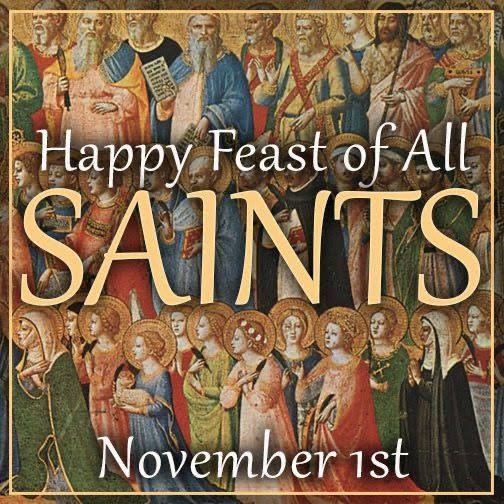
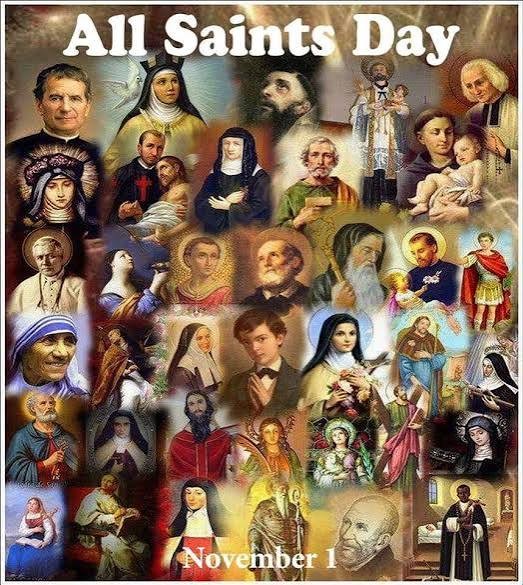
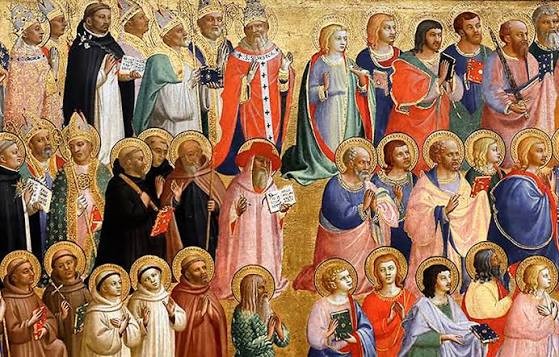
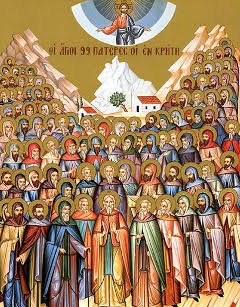
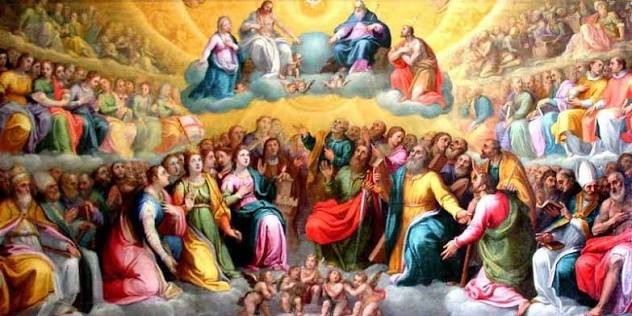
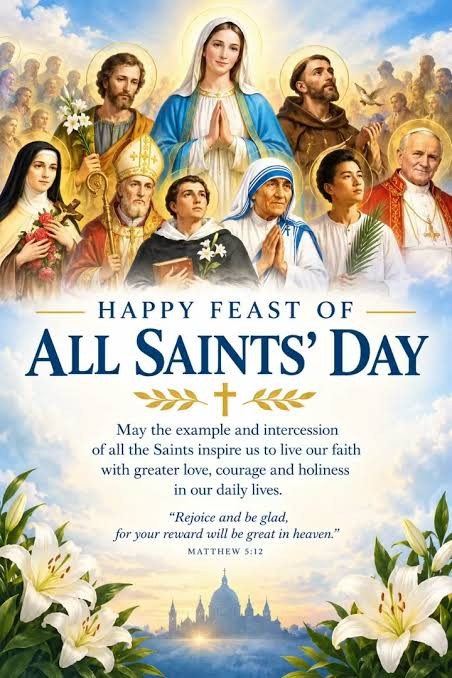
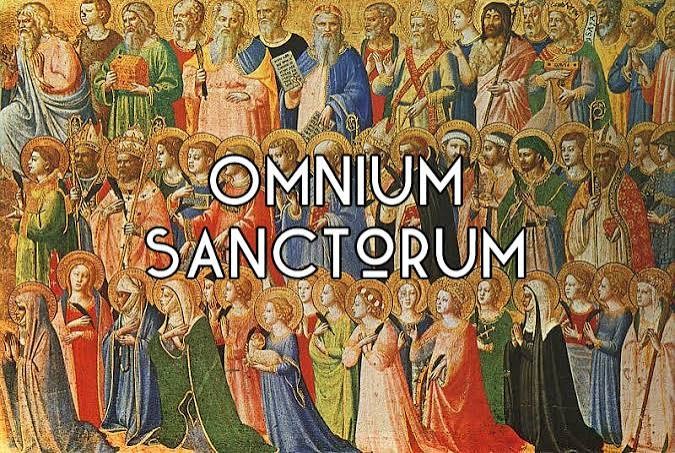
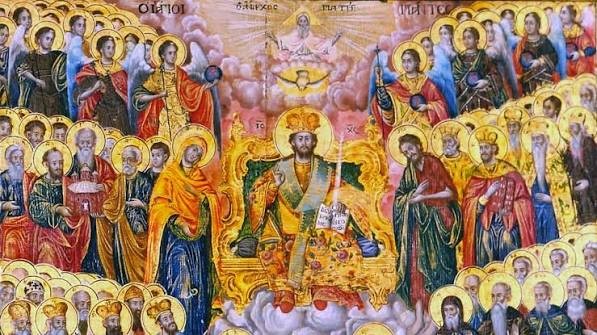
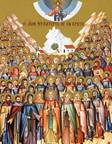
Today is one of the most beautiful celebrations in the life of the Church. We do not celebrate only the saints whose names appear on the liturgical calendar, those whose statues stand in our churches, or those who became famous in the history of the Church. Today we celebrate all the saints: those whose names we know and those whose names we do not; those officially canonised and those whose lives were never publicly recognised, yet who lived faithfully before God and now share in His glory.
“Heaven is not filled with people who never made mistakes. It is filled with people who allowed God to transform their lives.” Saints are not people who were born perfect, who never felt afraid, never became angry, never experienced disappointment, and never failed. Saints are ordinary people whose hearts remain open to God’s grace, and who refuse to let sin, failure, or suffering have the final word in their lives.
That is why today’s Gospel does not begin by saying, “Blessed are the powerful” or “Blessed are the successful.” Instead, Jesus says, “Blessed are the poor in spirit… blessed are those who mourn… blessed are the meek… blessed are those who are persecuted for the sake of righteousness.” Jesus opens before us a different world—a new way of seeing life, a way that all the saints have chosen to follow.
2. What Are the Three Readings Telling Us?
First: The saints are God’s people, and not one of them is forgotten.
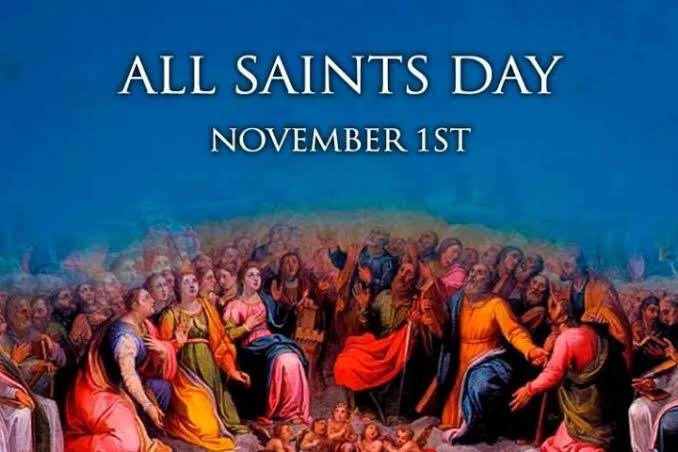
The reading from the Book of Revelation gives us a magnificent vision. Saint John sees a great multitude, impossible to count, from every nation, race, people, and language, standing before the throne and before the Lamb. Notice that he does not see only people from powerful nations, those with a good education, or those who hold important positions in society. He sees people from every nation and every language. This is the true image of the Church!
The Church is not a club for a select group of people, nor is it a place where those who consider themselves good pass judgement on others. The Church is God’s great family, with its doors open to everyone. There is another beautiful detail in this vision: the people are wearing white robes, which they have washed and made white in the blood of the Lamb. In the natural world, blood stains clothing. Yet in the mystery of faith, the blood of Jesus makes us clean.
What a beautiful truth this is! We do not become saints because we have made ourselves pure by our own efforts, but because Jesus cleanses us. We do not reach heaven because we have never sinned, but because we have been redeemed and have chosen, again and again, to return to Him.
In today’s world, people are divided by race, skin colour, opinions, ideologies, wealth, and religious differences. The vision in Revelation reminds the Church that, in God’s eyes, no one is a stranger whom we can simply refuse to welcome.
Second: The saints are those who know that they are children of God.
In the second reading, Saint John writes words that are brief but profound: “See what love the Father has bestowed on us that we may be called the children of God. Yet so we are.” Let us notice those final words: “Yet so we are.” This is not merely a comforting thought; it is our identity as Christians. Sometimes we measure our worth by what we own, our position, our achievements, the balance in our bank accounts, or the number of people who admire us on social media. But God sees us differently. He does not love us because we are successful. He does not love us because we are useful or because we do everything well. He loves us because we are His children. The saints are those who have discovered this truth so deeply that God’s love transforms the way they think, speak, and treat others.
A saint may be a mother who raises her children with patience, a father who remains faithful to his family, an employee who refuses to cheat even when no one is watching, an elderly person who prays for the next generation, or a young person who dares to say no to what is wrong, even when that means being different from their friends. No one may applaud these people, but God knows them. This is our hope: the saints are not beyond our reach. Like every one of us, they began as children of God.
3. The Beatitudes: Jesus’ Programme for Becoming a Saint
Today Jesus goes up the mountain and gives us the teaching known as the Beatitudes. He is offering the world a programme for becoming a saint—but it is a programme that goes completely against the values of society.
The world says that the rich and powerful are blessed; Jesus says that the poor in spirit are blessed.
The world says that those who defeat others are blessed; Jesus says that the meek are blessed.
The world says not to waste time on other people’s suffering; Jesus says that the merciful are blessed.
The world says to protect our own interests first; Jesus says that those who make peace are blessed.
The world says never to let anyone damage our reputation or interests; Jesus says that those who are persecuted for the sake of righteousness are blessed.
This is truly a revolution in the way human beings think! The Beatitudes do not mean that we should seek poverty, sorrow, or persecution. They mean that even in such circumstances, God remains with us, and we can still choose love, goodness, and what is right.
In a world marked by war, displaced people, political conflict, hatred on social media, fake news, and quick judgements, Jesus calls us to be different. Do not add fuel to hatred; become peacemakers. Do not use words that destroy another person’s dignity; speak words that heal. Do not turn away from the poor and those who have no voice; stand beside them. Holiness is measured not only by the number of prayers we say, but also by the number of wounded hearts we help to rise again.
4. An Interesting Historical Note: From a Temple of Many gods to a Home Honouring All the Saints
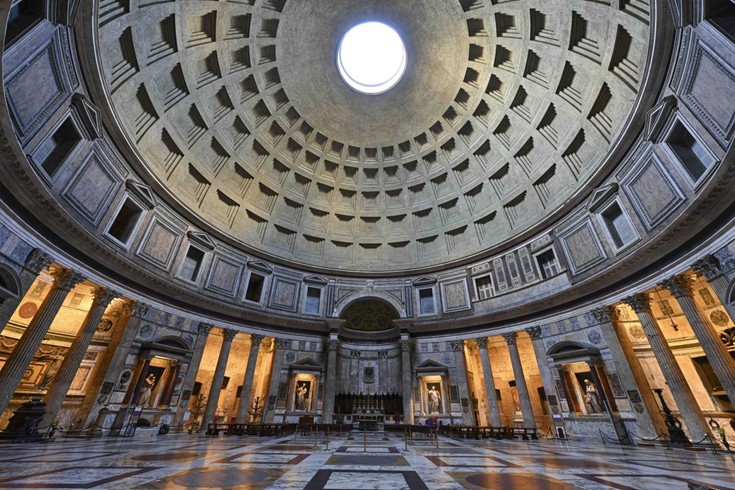
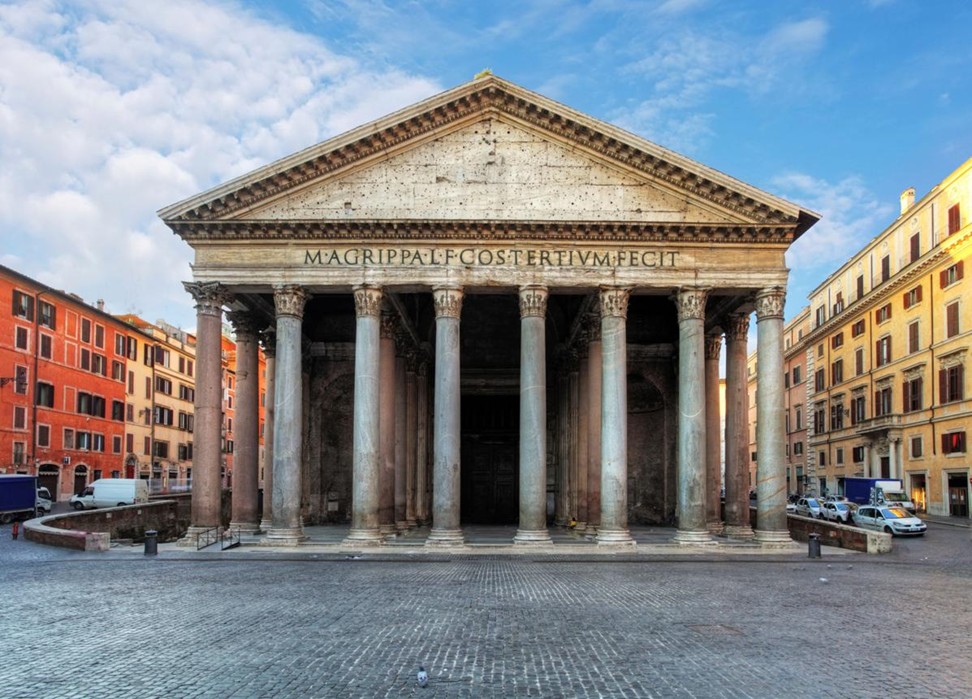
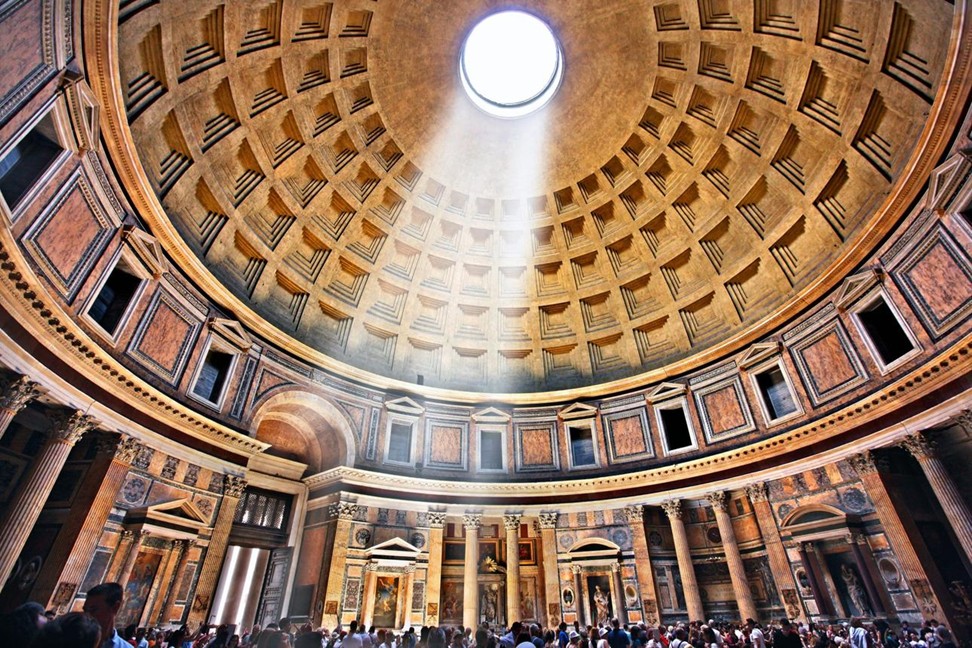
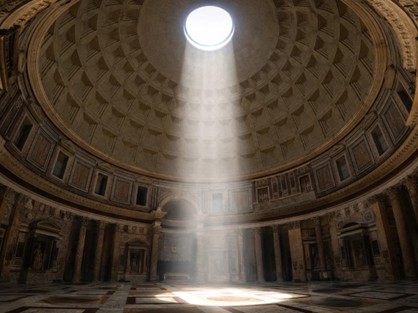
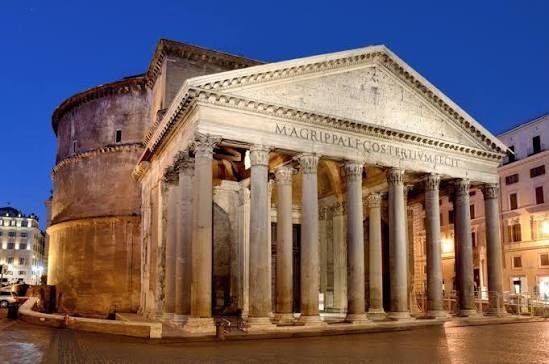
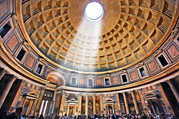
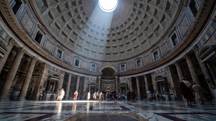
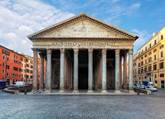
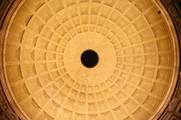
Rome is home to one of the world’s most famous ancient buildings: the Pantheon. The word “Pantheon” comes from Greek and refers to a place associated with all the gods. Originally, it was a temple dedicated to the gods of ancient Roman religion. The building is famous for its enormous dome and the circular opening at its centre, known as the oculus. Through this opening, sunlight enters the building. When it rains, rain can also fall inside; the droplets are said to disperse into a fine mist before reaching the floor, while the remarkable Roman drainage system helps carry water away.
One fascinating moment in its history came in AD 609 or 610, when Pope Boniface IV received the building from the emperor and transformed the former temple into a Christian church, dedicated to the Blessed Virgin Mary and all the martyrs.
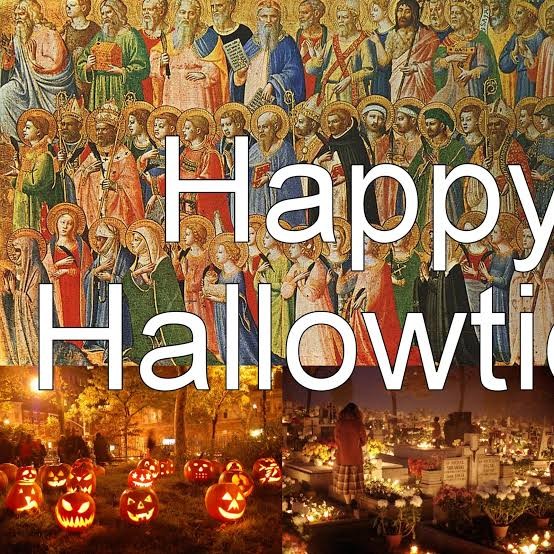
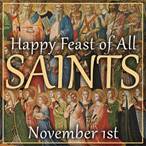
Later, in the eighth century, Pope Gregory III established the celebration of All Saints on 1 November. During the pontificate of Pope Gregory IV, the feast spread throughout the Western Church.
There is a beautiful lesson hidden in this history. A place once associated with the worship of many gods became a place dedicated to the one true God and to the memory of those who gave their lives for the faith. This invites us to ask ourselves: What in our own lives are we transforming into a dwelling place for God?
Perhaps our hearts are like the Pantheon, filled with many things competing for a place of honour. For some, money has become a god. For others, it is fame, power, success, or even anger and resentment. The Solemnity of All Saints calls us to put our lives in order once again, to place God at the centre. That is where holiness begins.
5. A Reflection for the Church: We Are Called to Form Saints, Not Merely to Build Buildings
All three readings lead us back to the life of the Church today. The Church has beautiful buildings, solemn liturgies, a rich history, modern technology, and social media that can reach people throughout the world. All these things have value. But we must never forget that the true greatness of the Church is not measured by the height of its bell towers; it is measured by the depth of love in the hearts of God’s people.
A holy Church is not a Church without problems. It is a Church courageous enough to acknowledge its mistakes, repent, listen to those who have been neglected, and make room for wounded people to encounter the mercy of God.
The Church must never be a place where sinners feel that they have no place to stand. It must be a home where sinners can discover the way back to God.
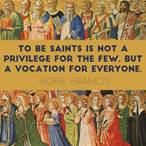
We must do more than teach children the names of the saints; we must help them grow into people with saintly hearts. We must do more than celebrate the saints with magnificent ceremonies; we must live according to their example. We must do more than build beautiful churches; we must build communities where the poor, the elderly, the lonely, the younger generation, and those searching for meaning in life feel that they belong to God’s family. Above all, we must never make holiness seem like the privilege of a select few, because God calls everyone to become a saint!
6. The Final Message of Today’s Feast: One Day, We Will Meet Again
Tomorrow, 2 November, the Church will commemorate all the faithful departed. Today we celebrate those who share in the glory of God; tomorrow we pray for the departed who are still being purified. These two days are deeply connected. They remind us that death is not a wall that can cut us off from the love of Jesus. We are all united in His Mystical Body.
Today, I invite you to think of someone you have loved who has gone before you: perhaps your father or mother, grandparents, husband or wife, children, or a close friend. Some may have been gone for many years, yet you still remember their voices, their smiles, and the love they gave you. Perhaps they were never important figures in history. No one ever wrote a book about their lives. There is no statue of them in a church, and perhaps no one speaks their names anymore. Yet we cannot know how beautiful they are in the eyes of God.
Perhaps it was a mother who rose early every morning to prepare food for her children; a father who worked hard all his life for his family; or a grandmother who prayed the Rosary every day, asking God to bring her children and grandchildren back to Him. These may be people whom God remembers with profound love. For heaven does not remember people by their fame, but by their love.
Today’s feast is not simply an occasion for admiring the saints from a distance. It is an invitation to hear God’s call in our own hearts.
We may never become great saints in the eyes of the world, like Saint Francis, Saint Thérèse, or Saint John Paul II. But we can become saints in our homes, at work, in our communities, in our parish, and wherever God sends us. We may not be able to change the whole world, but we can change one person’s heart. We may not be able to end every war, but we can put an end to the war of hatred within our own families. We may not be able to make everyone love us, but we can choose to love everyone God places in our lives. This is the holiness God asks of us.
Do not wait until we have died for others to speak about the good we have done. Begin becoming a saint today, while we are still alive. May the day come when, as we arrive at heaven’s gates, we meet all the saints and those we love who have gone before us. Then we will understand fully why Jesus said: “Blessed are the clean of heart, for they will see God.”
“We do not become saints because we have never fallen. We become saints because, every time we fall, we allow God to take us by the hand, raise us up, and help us continue walking in love.”
Msgr. Andrew Vissanu Thanya-anan
Parish Priest, St. John Church, Ladprao
Bangkok, Thailand
ช่องทางติดตามข้อคิดบทเทศน์ประจำวัน
ID Line : @vissanu201
https://lin.ee/6gZZDwO
รูปภาพ