
LEO XIV
สมเด็จพระสันตะปาปาเลโอที่สิบสี่
GENERAL AUDIENCE / การเข้าเฝ้าแบบทั่วไป
St. Peter’s Basilica – Wednesday, 26 August 2026
ณ มหาวิหารนักบุญเปโตร นครรัฐวาติกัน
เมื่อวันพุธที่ 26 สิงหาคม 2026
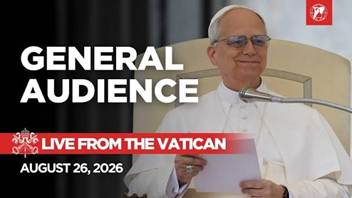
Catechesis. The Documents of the Second Vatican Council. III. Constitution Sacrosanctum Concilium. 8. The motivations of the liturgical reform
การเรียนคำสอนต่อเนื่อง : มองสภาสังคายนาวาติกันที่สองผ่านเอกสารของสภาสังคายนา III. สังฆธรรมนูญ Sacrosanctum Concilium ว่าด้วยพิธีกรรมศักดิ์สิทธิ์ (8) มูลเหตุจูงใจสู่การปฏิรูปพิธีกรรม
Dear brothers and sisters,
เจริญพรมายังพี่น้องชายหญิงที่รัก
In this final catechesis on the Constitution Sacrosanctum Concilium, today I would like to look at the reasons why the Council Fathers sought to promote a reform of the liturgy. In this regard, the third Letter from the Council, which Cardinal Giovanni Battista Montini, then Archbishop of Milan, sent on 28 October 1962 to the faithful of his Church, is particularly enlightening. The liturgy, he wrote, “is a sincere expression of both the divine and the human. It is language. On the one hand, it is a vehicle for divine teaching; on the other, it is a voice in dialogue with God. It is clear that it cannot renounce its didactic function, nor can it fail to offer faith and piety the opportunity to be expressed with spontaneous intelligibility”. (G. B. Montini, «Third Letter from the Council», Rivista Diocesana Milanese 51 (1962) 921-923: 922.) Motivated by these convictions, the future Pope Saint Paul VI affirmed that the faithful “cannot and must no longer remain silent and passive. Their physical presence cannot be reconciled with their spiritual absence”. (Ibid.)
ในการเรียนคำสอนครั้งสุดท้ายว่าด้วยสังฆธรรมนูญ Sacrosanctum Concilium ของสภาสังคายนา[วาติกันที่สอง]ว่าด้วยพิธีกรรมศักดิ์สิทธิ์ ในวันนี้พ่ออยากจะพิจารณาเกี่ยวกับเหตุผลที่ทำให้ปิตาจารย์ในสภาสังคายนาพยายามส่งเสริมการปฏิรูปพิธีกรรม ในแง่นี้ สิ่งหนึ่งที่มอบแง่คิดให้แก่คริสตชนได้มากเป็นพิเศษ คือจดหมายฉบับที่สาม ที่[สมเด็จพระสันตะปาปานักบุญเปาโลที่หก ขณะที่ทรงเป็น]พระคาร์ดินัลโจวันนี บัตติสตา มอนตีนี อาร์ชบิชอปแห่งมิลาน ทรงส่งไปถึงคริสตชนในเขตปกครองของพระองค์เมื่อวันที่ 28 ตุลาคม 1962 พระองค์ได้เขียนไว้ว่า พิธีกรรม เป็น “วิธีการที่จริงใจในการสื่อถึงทั้งสิ่งที่เป็นของพระเจ้า และสิ่งที่เป็นของมนุษย์ [พิธีกรรม]เป็นภาษา[อย่างหนึ่ง] ในด้านหนึ่ง พิธีกรรมเป็นเครื่องมือถ่ายทอดคำสอนของพระเจ้า แต่ในอีกด้านหนึ่ง พิธีกรรมเป็นเสียงแห่งการสนทนากับพระเจ้า เป็นที่ชัดเจนว่าพิธีกรรมไม่สามารถละทิ้งบทบาทการสอนได้ แต่พิธีกรรมก็ยังต้องมอบเสนอโอกาสแห่งการแสดงออกถึงความเชื่อและความศรัทธา ในแนวทางที่สามารถเข้าใจได้อย่างเป็นธรรมชาติด้วย” (จดหมายฉบับที่สามจากสภาสังคายนา, รวมอยู่ใน Rivista Diocesana Milanese 51 (1962) 921-923: 922) ความเชื่อมั่นเช่นนี้เป็นแรงผลักดันให้[พระคาร์ดินัลมอนตีนี ซึ่ง]ต่อมาจะได้เป็นสมเด็จพระสันตะปาปานักบุญเปาโลที่หก ทรงยืนยันว่า คริสตชนจะต้อง “ไม่เพียงแต่อยู่เงียบ ๆ และเป็นผู้รับอย่างเดียวอีกต่อไป [การที่พวกเขามาอยู่ที่วัดด้วยร่างกาย จะต้องไม่เป็นการมาวัดโดยที่จิตใจอยู่ที่อื่น]” (เรื่องเดียวกัน)
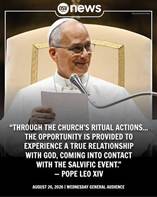
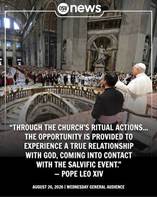
The similarity between these statements and those which would appear in no. 48 of the Conciliar Constitution is evident: “The Church … earnestly desires that Christ’s faithful, when present at this mystery of faith, should not be there as strangers or silent spectators; on the contrary, through a good understanding of the rites and prayers they should take part in the sacred action conscious of what they are doing, with devotion and full collaboration. They should be instructed by God’s word and be nourished at the table of the Lord’s body; they should give thanks to God; by offering the Immaculate Victim, not only through the hands of the priest, but also with him, they should learn also to offer themselves; through Christ the Mediator they should be drawn day by day into ever more perfect union with God and with each other, so that finally God may be all in all”. These words express a renewed awareness of the value of the liturgy. Through the Church’s ritual actions, while the memorial of the work of salvation is celebrated, the opportunity is provided to experience a true relationship with God, coming into contact with the salvific event. Since the gestures and the words of the sacred liturgy are critical to realizing this experience, the participation of the faithful cannot be passive.
ข้อความเหล่านี้ชัดเจนว่า คล้ายคลึงกับสิ่งที่จะปรากฏในข้อที่ 48 ของสังฆธรรมนูญ [Sacrosanctum Concilium] ของสภาสังคายนาวาติกันที่สอง ซึ่งกล่าวว่า “พระศาสนจักร […] มีความปรารถนาอย่างจริงใจ ให้สัตบุรุษที่มามีส่วนร่วมในพระธรรมล้ำลึกแห่งความเชื่อน้ี จะไม่เป็นเหมือนคนแปลกหน้าหรือผู้ชมอย่างเงียบ ๆ แต่ในทางตรงกันข้าม [พระศาสนจักร]ปรารถนาให้สัตบุรุษเข้าใจจารีตพิธีและบทภาวนาเป็นอย่างดี เพื่อที่จะได้ร่วมกิจกรรมศักดิ์สิทธิ์อย่างรู้สำนึก ด้วยความเลื่อมใสศรัทธา และมีส่วนร่วมอย่างแข็งขันเต็มเปี่ยม พวกเขาพึงได้รับการอบรมจากพระวาจาของพระเจ้าและได้รับการหล่อเลี้ยงที่โต๊ะอาหารแห่งพระวรกายขององค์พระผู้เป็นเจ้า พวกเขาพึงต้องขอบพระคุณพระเจ้าโดยถวายเครื่องบูชาไร้มลทิน มิใช่ผ่านทางมือของบาทหลวงเท่าน้ัน แต่จะต้องถวายพร้อมกับบาทหลวงด้วย และพวกเขาพึงต้องเรียนรู้ที่จะถวายตนแด่พระเจ้าเช่นกัน เพื่อที่อาศัยพระคริสตเจ้าผู้เป็นคนกลาง เขาจะได้ก้าวหน้ายิ่งขึ้นในทุกวัน สู่ความเป็นหนึ่งเดียวที่สมบูรณ์แบบยิ่งขึ้นกับพระเจ้าและระหว่างกันและกัน เพื่อที่ในที่สุดพระเจ้าจะได้ทรงเป็นทุกสิ่งในทุกคน” คำพูดเหล่านี้แสดงถึงความตระหนักรู้ที่ได้รับการฟื้นฟูใหม่เกี่ยวกับคุณค่าของพิธีกรรม สิ่งที่พระศาสนจักรกระทำในพิธีกรรมขณะที่มีการเฉลิมฉลองระลึกถึงกิจการแห่งความรอด ย่อมเป็นโอกาสสำหรับการสัมผัสกับความสัมพันธ์แท้จริงกับพระเจ้า คือ เป็นการที่ได้เข้ามาสัมผัสกับเหตุการณ์อันบันดาลความรอด และเมื่อกิริยาและวาจาในพิธีกรรมศักดิ์สิทธิ์เป็นสิ่งสำคัญยิ่งสำหรับการทำให้ประสบการณ์นี้เป็นจริง สัตบุรุษจึงไม่อาจมีส่วนร่วมในฐานะผู้รับแต่เพียงอย่างเดียวได้
By placing what constitutes the heart of the ecclesial experience at the centre, the Conciliar reform was intended to allow the liturgy to shine forth as “the primary source of that divine exchange in which the life of God is communicated to us” (Solemn Closing of the Second Session of the Council, Allocution of the Holy Father Paul VI (4 December 1963)). From this conviction, the need arose to make the richness of biblical texts and prayers more accessible to all the faithful, and to streamline the order of the celebration compared with what had been set out in the liturgical books in use at the time.
การปฏิรูปพิธีกรรมโดยสภาสังคายนา[วาติกันที่สอง] ซึ่งกำหนดให้มีศูนย์กลางอยู่ในสิ่งที่เป็นหัวใจของประสบการณ์แห่งความเป็นพระศาสนจักร มีความมุ่งหมายที่จะทำให้พิธีกรรมฉายแสงออกมาในฐานะ “แหล่งที่มาอย่างเอกของการแลกเปลี่ยนอันเป็นทิพย์ ที่ซึ่งชีวิตของพระเจ้าถูกนำมามอบให้แก่พวกเราทั้งหลาย” (พระดำรัสของสมเด็จพระสันตะปาปาเปาโลที่หก ในพิธีปิดสมัยประชุมที่สองของสภาสังคายนาวาติกันที่สอง, 4 ธันวาคม 1963) ความเชื่อมั่นเช่นนี้นำมาซึ่งความจำเป็นที่จะต้องทำให้คริสตชนทุกคนสามารถเข้าถึงความร่ำรวยของข้อความในพระคัมภีร์และบทภาวนาต่าง ๆ ได้ดียิ่งขึ้น และทำให้เกิดความจำเป็นที่จะต้องปรับปรุงระเบียบพิธีกรรมให้เรียบง่ายและมีประสิทธิภาพยิ่งกว่าที่มีกำหนดอยู่ในหนังสือพิธีกรรมซึ่งใช้กันอยู่ในขณะนั้น
Indeed, since the liturgy is a living entity, it has always been subjected to developments and changes throughout the centuries. The Magisterium adapted its forms to the needs of different eras. It is therefore not surprising that the Second Vatican Council too, with the utmost respect for the heritage of tradition, and precisely in order to make it more accessible, considered it necessary to revise the liturgical books.
จริงทีเดียวว่า เมื่อพิธีกรรมเป็นสิ่งที่มีชีวิต จึงย่อมมีพัฒนาการและความเปลี่ยนแปลงต่าง ๆ ตลอดทุกยุคสมัย อำนาจสอนของพระศาสนจักรได้ปรับเปลี่ยนรูปแบบของพิธีกรรมให้สอดคล้องกับความจำเป็นของยุคสมัยที่แตกต่างกันไป ดังนั้น จึงไม่น่าแปลกใจที่สภาสังคายนาวาติกันที่สองได้พิจารณาเห็นความจำเป็นในการทบทวนหนังสือพิธีกรรมด้วยเช่นกัน ทั้งนี้ ด้วยความเคารพอย่างสูงสุดต่อมรดกแห่งธรรมประเพณี และโดยมีจุดมุ่งหมายโดยตรงเพื่อให้พิธีกรรมเป็นสิ่งที่เข้าถึงได้ดียิ่งขึ้น
The aim that the Fathers had in mind is explained in no. 21 of the Constitution Sacrosanctum Concilium: “In order that the Christian people may more certainly derive an abundance of graces from the sacred liturgy, holy Mother Church desires to undertake with great care a general restoration of the liturgy itself. For the liturgy is made up of immutable elements divinely instituted, and of elements subject to change. These not only may but ought to be changed with the passage of time if they have suffered from the intrusion of anything out of harmony with the inner nature of the liturgy or have become unsuited to it. In this restoration, both texts and rites should be drawn up so that they express more clearly the holy things which they signify; the Christian people, so far as possible, should be enabled to understand them with ease and to take part in them fully, actively, and as befits a community”. The distinction, within the liturgy, between divine, immutable elements, and human elements, which instead “admit of various modifications, as the needs of the age, circumstance and the good of souls may require, and as the ecclesiastical hierarchy, under guidance of the Holy Spirit, may have authorized”, dates back to Pope Pius XII’s Encyclical Mediator Dei (Acta Apostolicae Sedis 39, 1947, 541–542).
จุดมุ่งหมายของบรรดาปิตาจารย์ในสภาสังคายนา มีอธิบายอยู่ในข้อ 21 ของสังฆธรรมนูญ Sacrosanctum Concilium ไว้ดังนี้ว่า “เพื่อให้ประชากรคริสตชนได้รับพระหรรษทานอันอุดมจากพิธีกรรมศักดิ์สิทธิ์ได้อย่างแน่นอนยิ่งขึ้น พระศาสนจักรศักดิ์สิทธิ์ผู้เป็นมารดา จึงมีความประสงค์ที่จะปรับปรุงแก้ไขพิธีกรรมโดยทั่วไปอย่างจริงจัง พิธีกรรมย่อมมีทั้งองค์ประกอบที่พระเจ้าทรงกำหนดจึงเปลี่ยนแปลงไม่ได้ และองค์ประกอบที่เปลี่ยนแปลงได้ ซึ่งอาจไม่ได้เป็นเพียงสิ่งที่เปลี่ยนแปลงได้เท่านั้น แต่อาจต้องเปลี่ยนแปลงด้วยเมื่อเวลาล่วงไป หากว่าองค์ประกอบเช่นนั้นถูกสอดแทรกด้วยสิ่งที่ไม่สอดคล้องกับธรรมชาติภายในของพิธีกรรม หรือกลายเป็นสิ่งที่ไม่เหมาะสมกับธรรมชาติภายในของพิธีกรรมอีกต่อไป ในการปรับปรุงแก้ไขน้ี จำเป็นต้องร่างตัวบทและจารีตพิธี เพื่อที่สิ่งเหล่านี้จะแสดงความหมายของสิ่งต่าง ๆ ที่ศักดิ์สิทธ์ิให้ปรากฏชัดยิ่งข้ึน ส่วนที่เกี่ยวกับบรรดาคริสตชนนั้น จะต้องมีการดำเนินความพยายามเท่าที่จะเป็นไปได้ เพื่อให้พวกเขาสามารถเข้าใจพิธีกรรมได้โดยง่าย และมีส่วนร่วมในพิธีได้อย่างเต็มเปี่ยม แข็งขัน และสอดคล้องกับความเป็นประชาคม” การแยกแยะองค์ประกอบในพิธีกรรม ระหว่างองค์ประกอบเปลี่ยนแปลงไม่ได้ซึ่งพระเจ้าทรงกำหนด กับองค์ประกอบฝ่ายมนุษย์ ซึ่ง “อาจถูกปรับเปลี่ยนได้หลายแนวตามความจำเป็นของยุคสมัย สภาวะแวดล้อม และประโยชน์ของวิญญาณทั้งหลาย ตามแต่ผู้ใหญ่ในพระศาสนจักรจะอนุญาต ภายใต้การทรงนำของพระจิตเจ้า” เช่นนี้ เป็นสิ่งที่ปรากฏแล้วตั้งแต่ในสมณสาส์นเวียน Mediator Dei ของสมเด็จพระสันตะปาปาปีโอที่สิบสอง (Acta Apostolicae Sedis 39, 1947, 541–542)
Moreover, the desire for a “general reform” did not come about suddenly, but had been evident in the actions of successive Popes since the beginning of the 20th century, in keeping with the demands of the Liturgical Movement. The assertion that the faithful should not attend celebrations “as strangers or silent spectators” had already been raised in Pope Pius XI’s Apostolic Constitution Divini Cultus . Furthermore, one may recall Pope Pius XII’s interventions regarding the ordering of the rites of Holy Week, which he rescheduled to the hours corresponding to the events of Easter, after they had for centuries been brought forward to the morning hours. Nor should it be forgotten that Saint John XXIII regarded it necessary to simplify the rubrics of the Breviary and the Missal, approving this with the Motu proprio Rubricarum instructum of 25 July 1960, in which he referred the proposal of fundamental principles for a reform of the liturgy at the forthcoming Ecumenical Council.
ไม่เพียงเท่านั้น ความปรารถนาที่จะให้มี “การปฏิรูปโดยทั่วไป” ก็ไม่ใช่สิ่งที่ปรากฏขึ้นมาอย่างทันทีทันใด หากแต่เป็นสิ่งที่เห็นได้ภายในกิจการของสมเด็จพระสันตะปาปาทุกพระองค์นับตั้งแต่ต้นศตวรรษที่ 20 ทั้งนี้ โดยสอดคล้องกับความคิดของขบวนการปฏิรูปพิธีกรรม คำกล่าวอ้างที่ยืนยันว่า คริสตชนที่ร่วมในพิธีกรรมจะต้องไม่เป็นเพียง “คนแปลกหน้าหรือคนที่นั่งดูอย่างเงียบ ๆ” นั้น ปรากฏมาตั้งแต่ในสมณธรรมนูญ Divini Cultus ของสมเด็จพระสันตะปาปาปีโอที่สิบเอ็ด นอกจากนี้ เราอาจนึกย้อนถึงพระดำรัสต่าง ๆ ของสมเด็จพระสันตะปาปาปีโอที่สิบสองเกี่ยวกับการจัดระเบียบพิธีกรรมสำหรับช่วงสัปดาห์ศักดิ์สิทธิ์ ซึ่งพระองค์ได้ทรงจัดระเบียบใหม่ให้สอดคล้องกับช่วงเวลาในเรื่องปัสกา[ของพระเยซูเจ้า] ต่างจากกฎพิธีที่ใช้มาหลายศตวรรษก่อนหน้านั้น ซึ่ง[นำพิธีทำวัตรเย็นและพิธีตื่นเฝ้ามาประกอบ]ในช่วงเช้า[เพื่อให้พิธีบูชาขอบพระคุณเสร็จก่อนเวลาเที่ยง] และเรายังจะต้องไม่ลืมว่า สมเด็จพระสันตะปาปานักบุญยอห์นที่ยี่สิบสาม ทรงเล็งเห็นความจำเป็นที่จะต้องปรับปรุงกฎพิธีกรรมทั้งการทำวัตรและพิธีบูชาขอบพระคุณให้เรียบง่ายยิ่งขึ้น ดังที่ทรงอนุมัติในสมณานัติ Rubricarum instructum ลงวันที่ 25 กรกฎาคม 1960 ซึ่งมีการกล่าวถึงข้อเสนอว่าด้วยหลักการพื้นฐานสำหรับการปฏิรูปพิธีกรรม ดังที่จะมีขึ้นตามมาภายในสภาสังคายนาวาติกันที่สอง
The liturgical reform promoted by the Second Vatican Council is thus firmly rooted in the living tradition of the Church. A correct understanding of it also enables us to reject the abuses that occurred in certain sectors of the Church during the post-Conciliar period, and which, unfortunately, still occur from time to time today, where some of the principles underlying the reform itself have been taken to extremes or misunderstood.
เช่นนี้เอง การปฏิรูปพิธีกรรมที่ผลักดันโดยสภาสังคายนาวาติกันที่สอง จึงมีรากฐานอย่างมั่นคงภายในธรรมประเพณีมีชีวิตของพระศาสนจักร นอกจากนี้ การทำความเข้าใจอย่างถูกต้องต่อ[การปฏิรูปพิธีกรรมของสภาสังคายนา] ยังจะช่วยให้เราสามารถปฏิเสธการปฏิบัติผิด ๆ ทั้งหลายที่เกิดขึ้นในบางส่วนของพระศาสนจักรในยุคหลังสภาสังคายนา และเป็นที่น่าเสียใจว่ายังคงเกิดขึ้นอยู่บ้างในยุคปัจจุบัน ซึ่งมีสาเหตุ คือ ความไม่เข้าใจต่อหลักการเบื้องหลังการปฏิรูป หรือการนำหลักการเหล่านี้ไปปฏิบัติอย่างสุดโต่ง
In this regard, it is worth recalling that the Conciliar Constitution affirms that “Liturgical services are not private functions, but are celebrations of the Church, which is the ‘sacrament of unity’, namely, the holy people united and ordered under their bishops. Therefore liturgical services pertain to the whole body of the Church; they manifest it and have effects upon it” (Sacrosanctum Concilium, no. 26).
ในแง่นี้ ควรระลึกว่าสังฆธรรมนูญของสภาสังคายนาวาติกันที่สองได้ยืนยันไว้ว่า “การประกอบพิธีกรรมไม่ใช่สิ่งที่ทำเป็นการส่วนตัว หากแต่เป็นการเฉลิมฉลองของพระศาสนจักรที่เป็น ‘เครื่องหมายศักดิ์สิทธิ์แห่งเอกภาพ’ กล่าวคือ เป็นประชากรศักดิ์สิทธิ์ที่เป็นหนึ่งเดียวกันและถูกจัดระเบียบภายใต้บรรดาบิชอปของพวกตน ด้วยเหตุนี้ พิธีกรรมจึงเป็นกิจกรรมของพระศาสนจักรทั้งมวลที่รวมตัวกันเป็นร่างกาย คือ เป็นเครื่องแสดงให้เห็นถึงร่างกายนี้ และบันดาลผลให้เกิดแก่ร่างกายนี้” (สังฆธรรมนูญ Sacrosanctum Concilium, ข้อ 26)
It is therefore the primary responsibility of pastors, of bishops, but also of each individual priest, to safeguard and promote a liturgy which, while respecting liturgical norms, shines with noble simplicity (cf. no. 34) and thus manifests the one, holy, catholic and apostolic Church. Such a liturgy will also be a fundamental vehicle for evangelization, the instrument of grace through which, as the Council teaches, we may learn to offer ourselves and, through Christ’s mediation, be perfected in unity with God and amongst ourselves (cf. no. 48).
ดังนั้น การธำรงรักษาและส่งเสริมพิธีกรรม จึงเป็นหน้าที่ความรับผิดชอบหลักของบรรดาผู้อภิบาล ทั้งบรรดาบิชอป ตลอดจนบาทหลวงแต่ละท่านด้วย ทั้งนี้ จะต้องกระทำด้วยความเคารพต่อกฎพิธีกรรม จะต้องสื่อให้เห็นชัดถึงความเรียบง่ายที่สง่างาม (เทียบ ข้อ 34) เพื่อให้พิธีกรรมได้เป็นเครื่องแสดงออกถึงพระศาสนจักรหนึ่งเดียว ศักดิ์สิทธิ์ สากล และสืบเนื่องจากบรรดาอัครสาวก ทำให้พิธีกรรมเช่นนี้ได้เป็นสื่อกลางพื้นฐานสำหรับการประกาศข่าวดี และเป็นเครื่องมือสำหรับพระหรรษทาน ซึ่งช่วยให้เราเรียนรู้ที่จะมอบถวายตนเอง และให้พวกเราได้เข้าสู่ความสมบูรณ์แบบภายในความเป็นหนึ่งเดียวกันกับพระเจ้าและระหว่างกันและกัน อาศัยพระคริสตเจ้าผู้เป็นคนกลาง ดังที่สภาสังคายนาได้สอนเอาไว้ (เทียบ ข้อ 48)
พระดำรัสของสมเด็จพระสันตะปาปาหลังการสอนคำสอน
I greet all the English-speaking pilgrims and visitors taking part in today’s Audience, particularly the groups from Malta, Senegal and Canada. A special greeting to those serving in the National Offices of the Pontifical Mission Societies. Upon you and your families, I invoke the joy and peace of our Lord Jesus Christ. God bless you all!
พ่อขอทักทายบรรดาผู้แสวงบุญและผู้มาเยือนที่พูดภาษาอังกฤษที่ได้มาหาพ่อในวันนี้ โดยเฉพาะอย่างยิ่ง กลุ่มที่มาจากมอลตา เซเนกัล และแคนาดา พ่อขอส่งคำทักทายเป็นพิเศษสำหรับผู้ที่ทำงานในสำนักงานระดับชาติของสมณองค์กรสนับสนุนงานแพร่ธรรม ขอให้ลูกทุกคนและครอบครัวของลูกจงได้รับสันติสุขและความปีติยินดีของพระเยซูคริสตเจ้า องค์พระผู้เป็นเจ้าของพวกเราทั้งหลาย ขอให้พระเจ้าโปรดประทานพระพรแก่ลูกทุกคน
Il mio pensiero va, infine, ai giovani, ai malati e agli sposi novelli. Domani e dopo domani la liturgia fa memoria di due grandi Santi, santa Monica e sant’Agostino, uniti in terra da vincoli familiari e in cielo dallo stesso destino di gloria. Il loro esempio susciti in ciascuno una ricerca sincera e appassionata della Verità evangelica, per testimoniarla con gioia nella vita di ogni giorno. A tutti la mia benedizione!
ท้ายสุด พ่อมีความระลึกถึงบรรดาเยาวชน บรรดาคนป่วย และบรรดาคนที่เพิ่งแต่งงาน พิธีกรรมวันนี้และวันพรุ่งนี้เป็นการระลึกถึงนักบุญผู้ยิ่งใหญ่สองท่าน คือ นักบุญโมนีกา และนักบุญเอากุสติน ท่านทั้งสองถูกเชื่อมเป็นหนึ่งเดียวกันในโลกนี้ด้วยสายสัมพันธ์แห่งครอบครัว และได้เชื่อมเป็นหนึ่งเดียวกันในสวรรค์ด้วยจุดหมายปลายทางเดียวกัน คือ สิริรุ่งโรจน์ ขอให้แบบอย่างของท่านนักบุญทั้งสองจงเป็นแรงบันดาลใจให้ลูกแต่ละคนแสวงหาความจริงแห่งพระวรสารด้วยความจริงใจและกระตือรือร้น เพื่อที่ลูกจะได้เป็นพยานด้วยความปีติยินดีในชีวิตประจำวัน พ่อขออวยพรลูกทุกคน
ใจความสรุปการสอนคำสอนของสมเด็จพระสันตะปาปา
Dear brothers and sisters, in this final catechesis on the Second Vatican Council’s Constitution on the Sacred Liturgy, Sacrosanctum Concilium, we recall the reasons the Council Fathers promoted a liturgical reform. When the Church carries out a reform of the liturgy — a constant process of development across the centuries — there is an important distinction to be made between the divine, immutable elements, and the human elements, which may undergo various modifications. The need arose for the faithful to celebrate the liturgies more consciously and actively, not “as strangers and silent spectators,” but participating fully in the salvific mystery. In this way, the Christian people learn to recognize sacred realities, offer themselves with and through the hands of the priest, and become more open to receiving God’s grace. At every celebration of the Sacraments, especially the Eucharist, let us ask for God’s help to be strengthened on our journey and to enter into a deeper relationship with the Lord.
พี่น้องชายหญิงที่รัก ในการเรียนคำสอนต่อเนื่องเกี่ยวกับเอกสารของสภาสังคายนาวาติกันที่สอง ซึ่งเรากำลังเรียนรู้เกี่ยวกับสังฆธรรมนูญ Sacrosanctum Concilium ว่าด้วยพิธีกรรมศักดิ์สิทธิ์อยู่นั้น วันนี้พวกเราจะย้อนไปพิจารณาเหตุผลที่ทำให้ปิตาจารย์ในสภาสังคายนาเดินหน้าส่งเสริมการปฏิรูปพิธีกรรม เวลาที่พระศาสนจักรดำเนินการปฏิรูปพิธีกรรม ซึ่งเป็นกระบวนการแห่งการพัฒนาตลอดทุกยุคทุกสมัยนั้น มีสิ่งหนึ่งที่สำคัญ คือ การแยกแยะระหว่างองค์ประกอบที่พระเจ้าทรงกำหนดไว้จึงเปลี่ยนแปลงไม่ได้ กับองค์ประกอบฝ่ายมนุษย์ที่อาจถูกปรับเปลี่ยนได้ในหลายรูปแบบ ทั้งนี้ มีความจำเป็นที่บรรดาคริสตชนจะต้องสามารถร่วมพิธีกรรมได้ด้วยความตระหนักและความกระตือรือร้นยิ่งกว่าเดิม และจะต้องมีส่วนอย่างเต็มที่ในพระธรรมล้ำลึกที่บันดาลความรอด โดยไม่เป็นเพียง “คนแปลกหน้าหรือคนที่นั่งดูอย่างเงียบ ๆ” เพราะเมื่อทำได้เช่นนี้ ประชากรคริสตชนก็ย่อมเรียนรู้ที่จะมองเห็นความจริงศักดิ์สิทธิ์ รู้จักมอบถวายตนเองทั้งผ่านมือของบาทหลวงและพร้อมกันกับบาทหลวง และเปิดกว้างน้อมรับพระหรรษทานของพระเจ้าได้อย่างดียิ่งขึ้น ทุกครั้งที่มีการโปรดศีลศักดิ์สิทธิ์ โดยเฉพาะอย่างยิ่งศีลมหาสนิท ขอให้พวกเราวอนขอความช่วยเหลือจากพระเจ้า เพื่อที่พวกเราจะได้รับพละกำลังบนเส้นทางจาริก และได้เข้าสู่ความสัมพันธ์อันลึกซึ้งยิ่งขึ้นกับองค์พระผู้เป็นเจ้า
(วิษณุ ธัญญอนันต์ และวรินทร เติมอริยบุตร แห่งจุฬาลงกรณ์มหาวิทยาลัย – แบ่งปัน…
การสอนคำสอน General Audience ของพระสันตะปาปาเลโอที่ 14 มาแบ่งปันและเพื่อการไตร่ตรอง)