
LEO XIV
สมเด็จพระสันตะปาปาเลโอที่สิบสี่
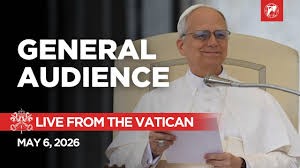
GENERAL AUDIENCE/การเข้าเฝ้าแบบทั่วไป
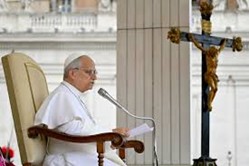
Saint Peter’s Square,Wednesday, 6 May 2026
ณ ลานหน้ามหาวิหารนักบุญเปโตร นครรัฐวาติกัน
เมื่อวันพุธที่ 6 พฤษภาคม 2026
Catechesis. The Documents of the Second Vatican Council. II. Dogmatic Constitution Lumen gentium. 8. The Church, pilgrim in history towards the heavenly homeland
การเรียนคำสอนต่อเนื่อง : มองสภาสังคายนาวาติกันที่สองผ่านเอกสารของสภาสังคายนา II. สังฆธรรมนูญข้อเชื่อ Lumen Gentium ว่าด้วยพระศาสนจักร (8) พระศาสนจักร ผู้จาริกในประวัติศาสตร์มุ่งสู่บ้านแท้ในสวรรค์
Dear brothers and sisters, good morning and welcome!
เจริญพรมายังพี่น้องชายหญิงที่รัก อรุณสวัสดิ์และยินดีต้อนรับ
As we focus today on a section of Chapter VII of the Second Vatican Council’s Constitution on the Church, let us reflect on one of its defining characteristics: its eschatological dimension. The Church, in fact, journeys through this earthly history always looking towards her final destination, which is the heavenly homeland. This is an essential dimension which, however, we often overlook or downplay, because we are too focused on what is immediately visible and on the more concrete dynamics of the life of the Christian community.
ในวันนี้ พวกเราจะพิจารณาเนื้อหาบทที่ 7 ของสังฆธรรมนูญ Lumen Gentium ของสภาสังคายนาวาติกันที่สอง ว่าด้วยพระศาสนจักร โดยพวกเราจะรำพึงไตร่ตรองเกี่ยวกับลักษณะข้อหนึ่งที่กำหนดนิยามความเป็นพระศาสนจักร คือ มิติแห่งจุดหมายปลายทางขั้นสุดท้าย แท้จริงแล้ว พระศาสนจักรย่อมจาริกอยู่ในโลกนี้โดยมีสายตาจดจ่ออยู่ที่จุดหมายปลายทางขั้นสุดท้าย ซึ่งก็คือบ้านแท้ในสวรรค์ มิตินี้มีความสำคัญอย่างยิ่งยวด แต่เป็นสิ่งที่เรามักมองข้ามหรือไม่เห็นความสำคัญเท่าที่ควร เพราะว่าเราอาจจดจ่ออยู่แต่กับสิ่งที่มองเห็นได้ทันที หรือจดจ่ออยู่กับพลวัตที่เป็นรูปธรรมต่าง ๆ ในชีวิตของประชาคมคริสตชนมากกว่า
The Church is God’s people journeying through history, which has the Kingdom of God as the purpose of all her action (cf. LG, 9). Jesus initiated the Church precisely by proclaiming this Kingdom of love, justice and peace (cf. LG, 5). We are therefore called to consider the community and cosmic dimension of salvation in Christ and to turn our eyes to this final horizon, to measure and evaluate everything from this perspective.
พระศาสนจักรคือประชากรของพระเจ้าที่จาริกอยู่ในประวัติศาสตร์ ทุกสิ่งทุกอย่างที่พระศาสนจักรกระทำย่อมมีพระอาณาจักรของพระเจ้าเป็นวัตถุประสงค์ (เทียบ สังฆธรรมนูญ Lumen Gentium, ข้อ 9) และพระเยซูเจ้าก็ได้ทรงสถาปนาพระศาสนจักรด้วยการประกาศพระอาณาจักรพระเจ้าอันนี้ ที่เป็นอาณาจักรแห่งความรัก ความยุติธรรม และสันติสุข (เทียบ สังฆธรรมนูญ Lumen Gentium, ข้อ 5) ดังนั้น พวกเราจึงถูกเรียกให้พิจารณาเรื่องความรอดในพระคริสตเจ้า ทั้งที่อยู่ในรูปประชาคม และที่เป็นมิติในระดับจักรวาล ทั้งยังถูกเรียกให้มองดูขอบฟ้า[แห่งจุดหมายปลายทาง]ขั้นสุดท้าย และให้ประเมินคุณค่าทุกสิ่งทุกอย่างด้วยมุมมองที่ว่านี้ด้วย
The Church lives in history in the service of the coming of the Kingdom of God in the world. She proclaims the words of this promise to all and always; she receives a pledge of it in the celebration of the Sacraments, particularly the Eucharist; she puts its logic into practice and experiences it in relationships of love and service. Furthermore, she knows that she is the place and the means where union with Christ is realized “more closely” (LG, 48), whilst at the same time recognizing that salvation can be bestowed by God in the Holy Spirit even beyond her visible boundaries.
การที่พระศาสนจักรมีชีวิตอยู่ในประวัติศาสตร์ ย่อมเป็นไปเพื่อรับใช้พระอาณาจักรของพระเจ้าที่กำลังจะมาถึงในโลก พระศาสนจักรย่อมประกาศคำมั่นสัญญา[แห่งพระอาณาจักร]แก่ทุกคนในทุกเมื่อ พระศาสนจักรได้รับหลักประกัน[ของพระสัญญานี้]ภายในการโปรดศีลศักดิ์สิทธิ์ โดยเฉพาะอย่างยิ่ง ศีลมหาสนิท พระศาสนจักรนำตรรกะ[ของพระสัญญานี้]ไปปฏิบัติจริง ทั้งยังได้สัมผัสถึง[พระสัญญานี้]ภายในความสัมพันธ์แห่งความรักและการรับใช้ ไม่เพียงเท่านั้น พระศาสนจักรยังรู้ดีว่าตนคือสถานที่และวิธีการที่ “ใกล้ชิดอย่างยิ่ง” สำหรับการที่ความเป็นหนึ่งเดียวกันกับพระคริสตเจ้าได้เป็นจริงขึ้นมา (สังฆธรรมนูญ Lumen Gentium, ข้อ 48) แต่ขณะเดียวกัน พระศาสนจักรก็ตระหนักว่า พระเจ้าสามารถประทานความรอดอาศัยพระจิตเจ้าได้โดยไม่ถูกจำกัดอยู่ภายในขอบเขตที่มองเห็นได้ของพระศาสนจักร
In this regard, the Constitution Lumen gentium makes an important statement: the Church is the “universal sacrament of salvation” (LG, 48), that is, the sign and instrument of that fullness of life and peace promoted by God. This means that she does not identify perfectly with the Kingdom of God, but is its seed and beginning, for its fulfilment will be granted to humanity and the cosmos only at the end. Believers in Christ, therefore, walk through this earthly history, marked by the maturation of good but also by injustices and sufferings, without being either deluded or despairing; they live guided by the promise received from the One who will “make all things new” (Rev 21:5). Therefore, the Church realizes her mission between the “already” of the beginning of the Kingdom of God in Jesus, and the “not yet” of the promised and anticipated fulfilment. As the guardian of a hope that enlightens the path, she is also invested with the mission of speaking clearly to reject everything that mortifies life and prevents its development, and to take a position in favour of the poor, the exploited, the victims of violence and war, and all those who suffer in body and in spirit (cf. Compendium of the Social Doctrine of the Church, no. 159).
ในแง่นี้ สังฆธรรมนูญ Lumen Gentium ได้ประกาศสิ่งสำคัญอย่างหนึ่งว่า พระศาสนจักรเป็น “ศีลศักดิ์สิทธิ์สากลแห่งความรอด” (สังฆธรรมนูญ Lumen Gentium, ข้อ 48) กล่าวคือ เป็นทั้งเครื่องหมายและเครื่องมือแห่งความบริบูรณ์ของชีวิตและสันติสุขซึ่งมีพระเจ้าเป็นผู้ขับเคลื่อน สิ่งนี้ย่อมหมายความว่า พระศาสนจักรไม่ได้ประกาศตนเองว่าเป็นสิ่งเดียวกับพระอาณาจักรของพระเจ้าอย่างสมบูรณ์แบบ หากแต่ประกาศว่า ตนเป็นเมล็ดพันธุ์และจุดเริ่มต้นของพระอาณาจักรพระเจ้า เหตุว่ามนุษยชาติและจักรวาลจะได้รับความบริบูรณ์ของพระอาณาจักรพระเจ้าต่อเมื่อวันสิ้นพิภพได้มาถึง ดังนั้น ถึงแม้ว่าประวัติศาสตร์ของโลกจะมีทั้งสิ่งดีงามและความอยุติธรรม และความทุกข์ทรมาน แต่บรรดาผู้เชื่อในพระคริสตเจ้าย่อมก้าวเดินไปในประวัติศาสตร์โดยไม่หลอกตัวเองและไม่สิ้นหวัง เหตุว่าบรรดาผู้เชื่อมีเครื่องนำทาง คือ คำมั่นสัญญาที่ได้รับมาจากพระเจ้าหนึ่งเดียวผู้ทรง “ทำทุกสิ่งขึ้นใหม่” (วว 21:5) ด้วยเหตุนี้ พระศาสนจักรจึงตระหนักว่า พันธกิจของตนอยู่ระหว่าง “สิ่งที่เกิดขึ้นแล้ว” กับ “สิ่งที่ยังมาไม่ถึง” กล่าวคือ ระหว่างการเริ่มต้นของพระอาณาจักรพระเจ้าในพระเยซูเจ้า กับความบริบูรณ์ตามพระสัญญาซึ่งเป็นสิ่งที่[พระศาสนจักร]กำลังรอคอย ในฐานะที่พระศาสนจักรเป็นผู้ดูแลรักษาความหวังที่เป็นแสงส่องทาง พระศาสนจักรจึงได้รับพันธกิจของการ[แสดงจุดยืนอย่างชัดเจนที่จะ]ปฏิเสธทุกสิ่งทุกอย่างที่ทำลายชีวิตหรือบ่อนทำลายไม่ให้ชีวิตได้เติบโต ตลอดจนได้รับพันธกิจแห่งการยืนหยัดเคียงข้างคนจน คนที่ถูกเอารัดเอาเปรียบ คนที่เป็นเหยื่อความรุนแรงและสงคราม รวมทั้งคนทั้งหลายที่ทนทุกข์ทั้งทางร่างกายและจิตวิญญาณด้วย (เทียบ ประมวลคำสอนด้านสังคมของพระศาสนจักร, ข้อ 159)
As the sign and sacrament of the Kingdom, the Church is the pilgrim people of God on earth who, drawing precisely on the final promise, reads and interprets the dynamics of history through the Gospel, denouncing evil in all its forms and proclaiming, in word and deed, the salvation that Christ wishes to bring about for all humanity and His Kingdom of justice, love and peace. The Church, therefore, does not proclaim herself; on the contrary, everything within her must point to salvation in Christ.
ในฐานะที่พระศาสนจักรเป็นประชากรของพระเจ้าที่จาริกอยู่บนโลก และเป็นเครื่องหมายและศีลศักดิ์สิทธิ์แห่งพระอาณาจักร พระศาสนจักรย่อมมองดูและทำความเข้าใจพลวัตทั้งหลายในประวัติศาสตร์ผ่านมุมมองของพระวรสาร ด้วยความเชื่อมั่นในพระสัญญาว่าด้วยจุดหมายขั้นสุดท้าย ด้วยเหตุนี้ พระศาสนจักรจึงประณามความชั่วร้ายทุกรูปแบบ ทั้งยังนำความรอดที่พระคริสตเจ้าทรงปรารถนาจะมอบให้มนุษยชาติ ตลอดจนพระอาณาจักรของพระองค์ ซึ่งเป็นอาณาจักรแห่งความยุติธรรม ความรัก และสันติสุข ไปประกาศทั้งด้วยคำพูดและการกระทำ ดังนั้น สิ่งที่พระศาสนจักรประกาศจึงไม่ใช่ตัวพระศาสนจักรเอง ในทางตรงข้าม ทุกสิ่งทุกอย่างภายในพระศาสนจักรย่อมต้องชี้ยังความรอดในพระคริสตเจ้า
From this perspective, the Church is called to recognize humbly the human fragility and transience of her own institutions who, despite being at the service of the Kingdom of God, bear the fleeting image of this world (cf. LG, 48). No ecclesial institution can be treated as absolute; indeed, since they exist within history and time, they are called to continual conversion, to the renewal of forms and the reform of structures, to the continual regeneration of relationships, so that they may truly fulfil their mission.
ในแง่นี้ พระศาสนจักรถูกเรียกให้มีความสุภาพถ่อมตนที่จะยอมรับความอ่อนแอของมนุษย์ และยอมรับความไม่จีรังยั่งยืนของสถาบันต่าง ๆ ภายในพระศาสนจักร ที่ถึงแม้จะล้วนมีไว้เพื่อรับใช้พระอาณาจักรพระเจ้า แต่ขณะเดียวกันก็เป็นภาพสะท้อนความไม่คงที่ในโลกนี้ด้วย (เทียบ สังฆธรรมนูญ Lumen Gentium, ข้อ 48) ไม่มีสถาบันใดในพระศาสนจักรที่สมควรถูกปฏิบัติเหมือนเป็นสิ่งที่สัมบูรณ์เด็ดขาด เพราะว่าสถาบันเหล่านี้ย่อมมีตัวตนอยู่ภายในประวัติศาสตร์และในยุคสมัย และต่างก็ถูกเรียกให้กลับใจอยู่เสมอสู่การฟื้นฟูและปฏิรูปทั้งในด้านรูปแบบและโครงสร้าง และทำให้ความสัมพันธ์ทั้งหลายได้บังเกิดขึ้นใหม่อย่างต่อเนื่อง เพื่อที่สถาบันเหล่านี้จะทำตามพันธกิจของตนได้อย่างแท้จริง
Within the horizon of the Kingdom of God, we must also understand the relationship between the Christians who are carrying out their mission today, and those who have already completed their earthly existence and are in a state of purification or beatitude. Lumen gentium, in fact, affirms that all Christians form a single Church, that there is communion and sharing of spiritual goods founded on the union with Christ of all believers, a fraterna sollicitudo between the earthly Church and the heavenly Church: that communion of saints that is experienced in particular in the liturgy (cf. LG, 49-51). By praying for the departed and following in the footsteps of those who have already lived as disciples of Jesus, we too are sustained on our journey and strengthen our worship of God: marked by the one Spirit and united in the one liturgy, together with those who have gone before us in faith, we praise and give glory to the Most Holy Trinity.
ภายในขอบฟ้าแห่งพระอาณาจักรพระเจ้า มีอีกเรื่องหนึ่งที่พวกเราจะต้องทำความเข้าใจ คือ ความสัมพันธ์ระหว่างบรรดาคริสตชนที่ดำเนินพันธกิจอยู่ในตอนนี้ กับบรรดาคริสตชนที่ได้ละโลกนี้ไปและกำลังอยู่ในสถานะแห่งการชำระให้บริสุทธิ์ หรือได้รับบรมสุขแล้วในสวรรค์ แท้จริงแล้วสังฆธรรมนูญ Lumen Gentium ได้ยืนยันว่าคริสตชนทุกคนล้วนก่อร่างเป็นพระศาสนจักรหนึ่งเดียว และบรรดาคริสตชนต่างก็มีความสนิทสัมพันธ์และแบ่งปันสมบัติมีค่าฝ่ายจิตให้แก่กันและกัน โดยมีพื้นฐาน คือ การที่คริสตชนทั้งหลายเป็นหนึ่งเดียวกับพระคริสตเจ้า [ในแง่นี้] พระศาสนจักรในโลกนี้และพระศาสนจักรในสวรรค์ย่อมมีความสัมพันธ์ต่อกันในลักษณะที่เป็นการเอาใจใส่แบบพี่น้อง นี่คือความสนิทสัมพันธ์ของบรรดาผู้ศักดิ์สิทธิ์ที่สัมผัสได้เป็นพิเศษภายในพิธีกรรม (เทียบ สังฆธรรมนูญ Lumen Gentium, ข้อ 49-51) พวกเราอธิษฐานภาวนาเพื่อผู้ตาย พวกเราก้าวเดินตามรอยเท้าของผู้ที่ได้เจริญชีวิตเป็นศิษย์พระเยซูเจ้า และเมื่อเราทำเช่นนี้ พวกเราเองก็ย่อมได้รับการเกื้อหนุนบนเส้นทาง และทำให้เราถวายบูชาต่อพระเจ้าได้อย่างเข้มแข็งทรงพลังยิ่งขึ้น เพราะพวกเราล้วนได้รับเครื่องหมายจากพระจิตเจ้าองค์เดียวกัน พวกเราล้วนมาเป็นหนึ่งเดียวกันในพิธีกรรมหนึ่งเดียว ที่ซึ่งพวกเราจะได้ร่วมกับผู้คนที่นำหน้าพวกเราไปแล้วในความเชื่อ เพื่อสรรเสริญและถวายสิริรุ่งโรจน์แด่พระตรีเอกภาพผู้ศักดิ์สิทธิ์ยิ่ง
Let us be grateful to the Council Fathers for reminding us of this most important and beautiful aspect of being Christian, and may we strive to cultivate it in our lives.
ดังนั้น ขอให้พวกเรามีความขอบคุณต่อบรรดาปิตาจารย์ในสภาสังคายนา ที่ได้เตือนใจให้พวกเราระลึกถึงแง่มุมที่สำคัญและสวยงามยิ่งของการเป็นคริสตชนเช่นนี้ และขอให้พวกเราพยายามบำรุงเลี้ยงดูแง่มุมดังกล่าวให้จริญงอกงามภายในชีวิตของพวกเราด้วย
พระดำรัสของสมเด็จพระสันตะปาปาหลังการสอนคำสอน
I greet all the English-speaking pilgrims and visitors taking part in today’s Audience, particularly the groups from Belgium, The Netherlands, Finland, Ghana, Uganda, New Zealand, India, Indonesia, Japan, Malaysia, Canada and the United States of America. I greet in particular the faculty and students from the University of Florida, Saint Mary’s College and Christendom College and all those participating in the AI Conference at the Gregorian University. Upon all of you, and upon your families, I invoke the joy and peace of the risen Jesus! May God bless you!
พ่อขอส่งคำทักทายอย่างอบอุ่นแก่ผู้แสวงบุญและผู้มาเยือนที่พูดภาษาอังกฤษที่ได้มาหาพ่อในวันนี้ โดยเฉพาะอย่างยิ่ง กลุ่มที่มาจากเบลเยียม เนเธอร์แลนด์ ฟินแลนด์ กานา ยูกันดา นิวซีแลนด์ อินเดีย อินโดนีเซีย ญี่ปุ่น มาเลเซีย แคนาดา และสหรัฐอเมริกา พ่อขอส่งคำทักทายเป็นพิเศษแก่คณาจารย์และนักศึกษาจากมหาวิทยาลัยฟลอริดา วิทยาลัยเซนต์แมรี และวิทยาลัยคริสเทนดอม ตลอดจนทุกคนที่มาร่วมการประชุมว่าด้วยปัญญาประดิษฐ์ที่จัดขึ้นที่มหาวิทยาลัยเกรโกเรียน พ่อขอให้ลูกทุกคนและครอบครัวของพวกลูกจงได้รับความปีติยินดีและสันติสุขจากพระเยซูเจ้าผู้ทรงกลับคืนพระชนม์ชีพแล้ว ขอให้พระเจ้าโปรดประทานพระพรแก่ลูกทุกคน
Il mio pensiero va infine ai giovani, ai malati e agli sposi novelli. La Chiesa commemora oggi San Domenico Savio, uno dei primi frutti di santità, plasmati dalla grazia divina della scuola di Don Bosco. Il suo esempio di adesione al Signore in ogni circostanza, aiuti ciascuno di voi a corrispondere generosamente ai desideri di bene, che lo Spirito Santo vi ispira. A tutti la mia benedizione!
ท้ายสุด พ่อมีความระลึกถึงบรรดาเยาวชน บรรดาคนป่วย และบรรดาคนที่เพิ่งแต่งงาน ในวันนี้พระศาสนจักรระลึกถึงนักบุญดอมินิก ซาวีโอ หนึ่งในผลแรกแห่งความศักดิ์สิทธิ์ ผู้ได้รับการหล่อหลอมด้วยพระหรรษทานของพระเจ้าผ่านทางวิถีของนักบุญยอห์น บอสโก ขอให้แบบอย่างของท่านในการยึดมั่นในองค์พระผู้เป็นเจ้าในทุกสถานการณ์ จงช่วยให้ลูกทุกคนตอบสนองอย่างใจกว้างต่อความปรารถนาถึงความดีที่พระจิตเจ้าทรงดลใจมีขึ้นในตัวลูก พ่อขออวยพรลูกทุกคน
ใจความสรุปการสอนคำสอนของสมเด็จพระสันตะปาปา
Dear brothers and sisters, in our ongoing catechesis on Lumen Gentium, we focus on the eschatological dimension of the Church. As the “universal sacrament of salvation,” the Church is a sign and instrument of the fullness of God’s promises. As the pilgrim People of God, the Church interprets history through the lens of the Gospel and speaks decisively against all evil. At the same time, the Church acknowledges the need for continual conversion so she may properly fulfill her mission. As members of the same Body, we too are called to renewal. We do this by remaining in communion with Christ and one another. The entire Church is most closely united in our praise of God in the liturgy. There we pray for the faithful departed and ask the Saints to intercede for us so that we may all receive the fullness of God’s promises in the Kingdom of Heaven.
พี่น้องชายหญิงที่รัก ในการเรียนคำสอนต่อเนื่องเกี่ยวกับ[สังฆธรรมนูญข้อเชื่อ Lumen Gentium ของ]สภาสังคายนาวาติกันที่สอง[ว่าด้วยพระศาสนจักร] วันนี้พวกเราจะเน้นเกี่ยวกับมิติแห่งจุดหมายปลายทางขั้นสุดท้ายของพระศาสนจักร ด้วยเหตุที่พระศาสนจักรเป็น “ศีลศักดิ์สิทธิ์สากลแห่งความรอด” พระศาสนจักรจึงเป็นเครื่องหมายและเครื่องมือที่พระเจ้าทรงใช้เพื่อให้พระสัญญาของพระองค์ได้เป็นจริงบริบูรณ์ และในฐานะที่พระศาสนจักรเป็นประชากรของพระเจ้าที่กำลังจาริกอยู่ พระศาสนจักรก็ย่อมตีความประวัติศาสตร์ผ่านมุมมองของพระวรสาร และย่อมแสดง[จุดยืน]ต่อต้านความชั่วทั้งหลายอย่างเด็ดขาด แต่ในขณะเดียวกัน พระศาสนจักรก็ยอมรับว่าตนต้องกลับใจอยู่เสมอเพื่อที่จะดำเนินพันธกิจได้อย่างเหมาะสม ในฐานะที่พวกเราล้วนเป็นส่วนหนึ่งในร่างกายเดียวกัน[คือพระศาสนจักร] พวกเราเองก็ถูกเรียกให้ฟื้นฟูตนเองเช่นกัน ด้วยการดำรงอยู่ในความสนิทสัมพันธ์กับพระคริสตเจ้าและภายในหมู่พวกเรา พระศาสนจักรทั้งหมดย่อมรวมเป็นหนึ่งเดียวอย่างใกล้ชิดที่สุดภายในการสรรเสริญพระเจ้าในพิธีกรรม ซึ่งในที่นั้น พวกเราภาวนาเพื่อบรรดาผู้ล่วงลับ และวอนขอให้บรรดาผู้ศักดิ์สิทธิ์ช่วยวิงวอนเพื่อเรา เพื่อให้เราทุกคนได้รับความบริบูรณ์แห่งพระสัญญาของพระเจ้าในพระอาณาจักรสวรรค์
(วิษณุ ธัญญอนันต์ และวรินทร เติมอริยบุตร แห่งจุฬาลงกรณ์มหาวิทยาลัย
เก็บการสอนคำสอน General Audience ของพระสันตะปาปาเลโอมาแบ่งปันและเพื่อการไตร่ตรอง)